




What's Happening?
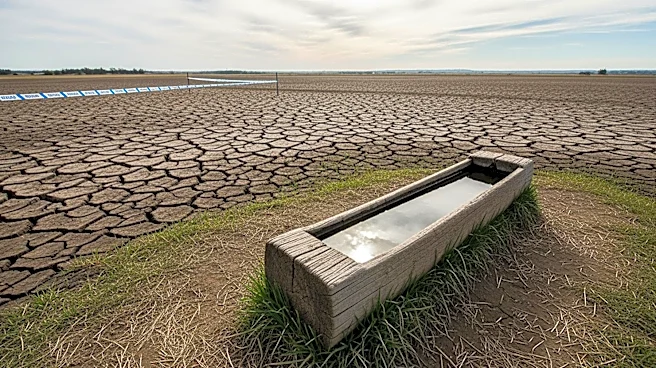
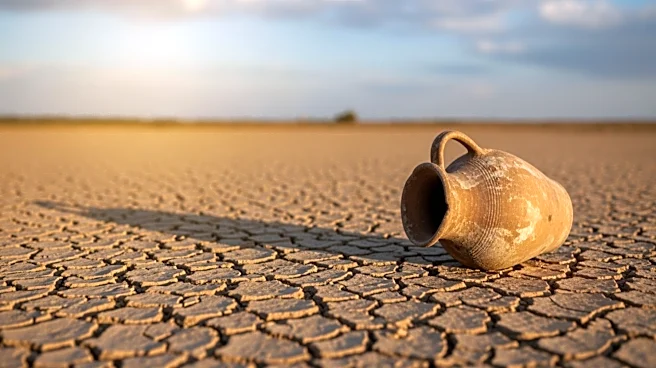
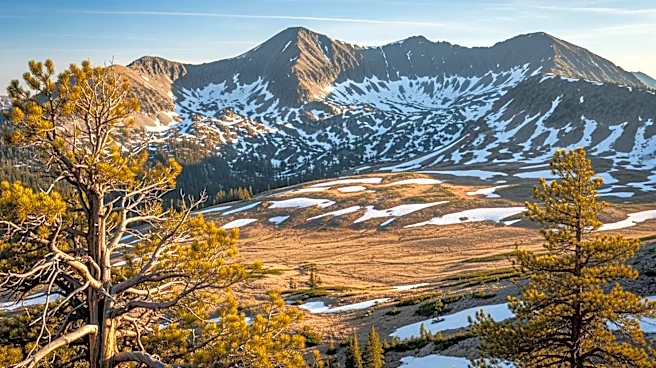
Colorado has experienced its lowest snowpack levels since recordkeeping began in 1941, with snow accumulations peaking a month early and containing only half the average moisture. This development is a concerning indicator for the ongoing drought in the western
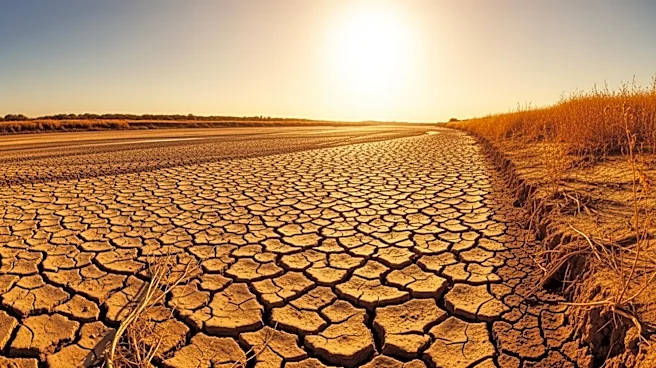
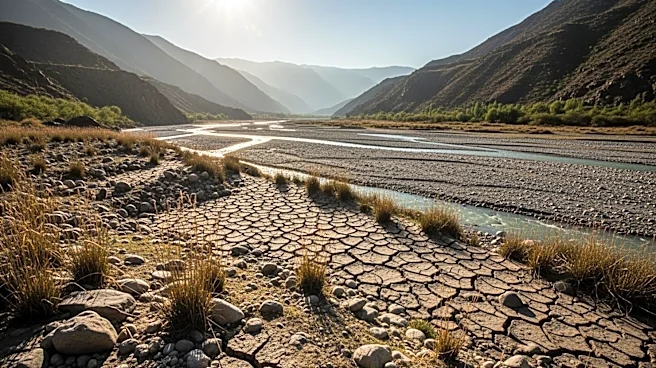
United States. The lack of snow is affecting water availability for cities and agriculture, with potential implications for wildfire risks. Ranchers and farmers are already feeling the impact, as water shortages threaten their operations. The situation is exacerbated by ongoing negotiations between Upper and Lower Basin states over water management rules for the Colorado River.
Why It's Important?
The record low snowpack in Colorado is a critical issue for water management in the western U.S., where many regions rely on snowmelt for their water supply. The drought conditions could lead to stricter water use restrictions, affecting agriculture, urban areas, and ecosystems. The situation highlights the broader challenges of water resource management in the face of climate change, as well as the need for cooperative solutions among states sharing water resources. The potential for increased wildfire risk also poses a threat to communities and natural landscapes.
What's Next?
Stakeholders, including state governments and water management agencies, will need to continue negotiations to establish new water management rules for the Colorado River. There may be increased efforts to implement water conservation measures and develop strategies to mitigate the impacts of drought. The situation could also prompt further investment in technologies and infrastructure to improve water efficiency and resilience. Public awareness and policy advocacy may play a role in driving action to address the underlying causes of climate change and its impacts on water resources.