








What's Happening?
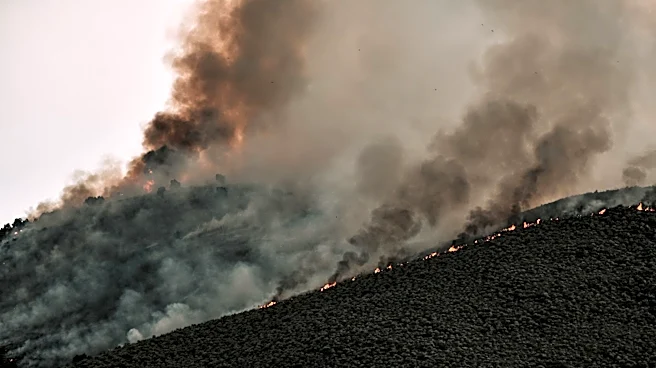
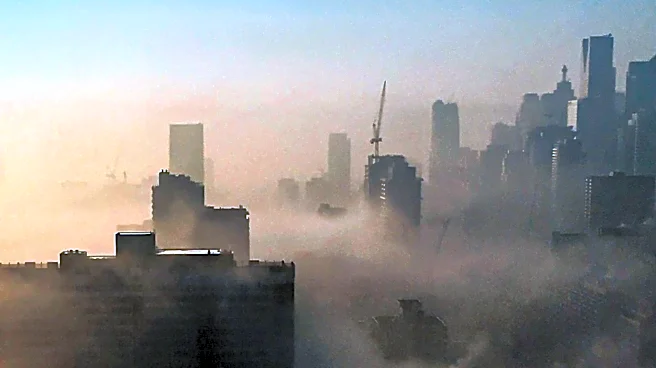
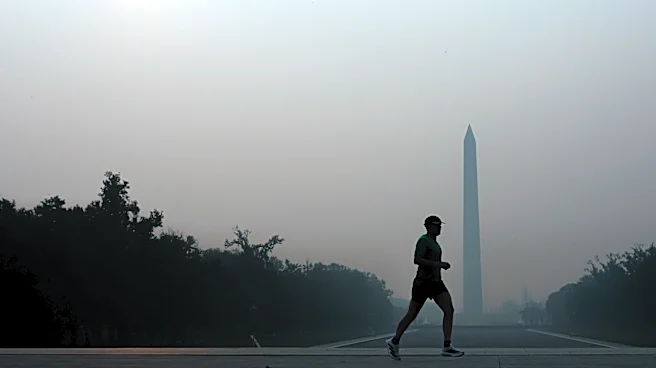
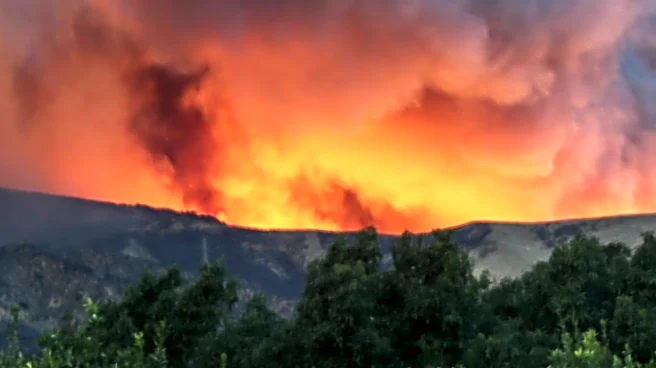
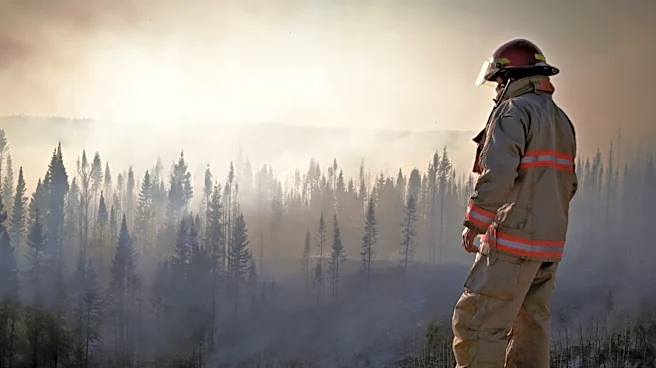
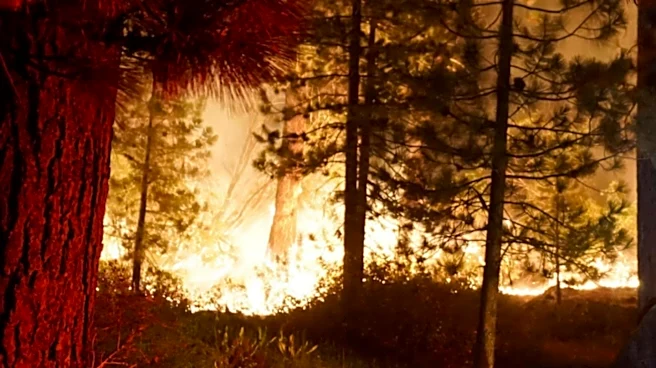
Wildfire smoke, increasingly prevalent due to climate change, is responsible for tens of thousands of deaths each year, according to medical studies. The smoke affects nearly every system in the human body, exacerbating conditions such as asthma, heart
attacks, and mental health issues. Pregnant women and children are particularly vulnerable, with risks of premature births and long-term respiratory problems. The smoke contains over 1,000 toxins, including harmful particles that can travel long distances and penetrate deep into the lungs. As wildfires become more frequent and intense, the health impacts are expected to worsen, prompting calls for better air quality management and public health strategies.
Why It's Important?
The health implications of wildfire smoke underscore the urgent need for comprehensive strategies to mitigate its impact. As climate change continues to drive more frequent and severe wildfires, the associated health risks are likely to increase, placing additional strain on healthcare systems. Vulnerable populations, including the elderly, children, and those with pre-existing health conditions, are at heightened risk. Addressing these challenges requires coordinated efforts to improve air quality monitoring, public health preparedness, and community resilience. The findings also highlight the broader environmental and societal costs of climate change, emphasizing the need for global action to reduce greenhouse gas emissions and enhance climate adaptation measures.
What's Next?
In response to the growing threat of wildfire smoke, public health officials and policymakers are likely to prioritize the development of strategies to protect vulnerable populations. This may include investing in air quality monitoring systems, establishing clean air shelters, and promoting public awareness campaigns about the health risks of smoke exposure. Additionally, there may be increased efforts to integrate climate change considerations into urban planning and emergency response frameworks. As research continues to uncover the full extent of wildfire smoke's health impacts, it will be crucial to translate these findings into actionable policies that safeguard public health.