






What's Happening?
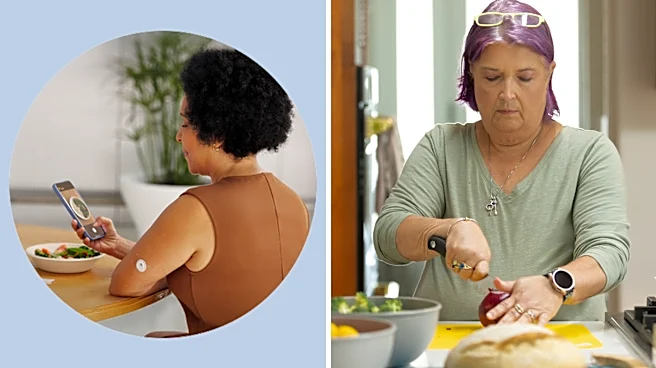
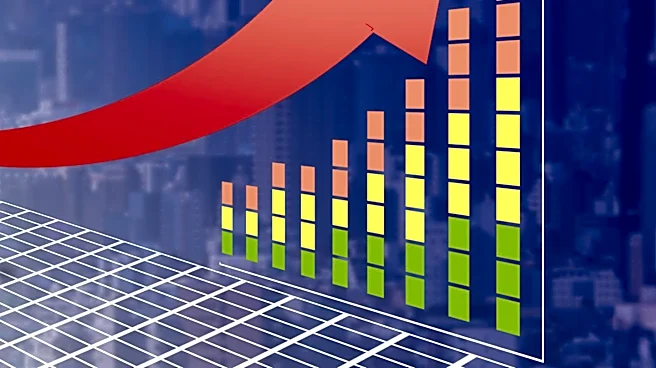
The continuous glucose monitoring (CGM) market is experiencing significant growth, with projections indicating it will reach a valuation of USD 42.18 billion by 2032. This growth is driven by an increasing demand for real-time glucose monitoring, wider
clinical adoption, and the growing need for effective diabetes management. In 2026, the market was valued at USD 18.15 billion and is expected to grow at a Compound Annual Growth Rate (CAGR) of 15.09% during the forecast period of 2027–2032, according to a report by Mordor Intelligence. North America currently holds the largest share of the market, accounting for 50.55% in 2026, benefiting from established diabetes care infrastructure and advanced monitoring technologies. Asia-Pacific is anticipated to be the fastest-growing regional market due to its large diabetic population, expanding healthcare infrastructure, and increasing awareness of CGM. Manufacturers are focusing on improving sensor accuracy, extending device wear duration, simplifying designs, and enhancing connectivity with smartphones and insulin-delivery systems to meet evolving patient needs.
Why It's Important?
The expansion of the CGM market is crucial for improving diabetes management in the U.S. and globally. Continuous glucose monitoring offers a more comprehensive understanding of glucose fluctuations compared to traditional blood glucose monitoring, enabling users to make informed decisions about diet, activity, and medication. This real-time data can lead to better health outcomes, potentially reducing hospitalizations and emergency department visits, which could result in billions of dollars in savings for federal healthcare programs. The integration of CGM with digital health platforms and insulin-delivery systems is transforming diabetes care, moving towards more connected and personalized management. As technology advances, with innovations like longer-lasting sensors and more user-friendly designs, CGMs are becoming more accessible and convenient for a broader range of patients, including those with Type 1 and Type 2 diabetes. The market's growth signifies a shift towards proactive and data-driven healthcare, empowering individuals to take a more active role in managing their chronic conditions.
What's Next?
The continuous glucose monitoring market is expected to see continued innovation in sensor technology, aiming for even greater accuracy, longer wear periods, and more seamless integration with other digital health tools. Manufacturers will likely focus on developing more compact and less intrusive devices, such as fully implantable sensors, to enhance user convenience and adherence. Efforts to expand reimbursement access for eligible patients and increase awareness of the benefits of CGM will be critical for wider adoption. The market will also likely see increased competition among established medical technology companies and specialized developers, driving further advancements in product development and connected care solutions. As the prevalence of diabetes continues to rise, the demand for effective and user-friendly glucose monitoring solutions will intensify, pushing the industry to innovate and make these technologies more affordable and accessible to a larger patient population.
Beyond the Headlines
The rapid growth of the CGM market extends beyond immediate diabetes management, signaling a broader trend towards preventative and personalized healthcare. The continuous stream of physiological data provided by CGMs, especially when integrated with AI and digital health platforms, has the potential to unlock deeper insights into individual health patterns. This could lead to earlier detection of health issues, more tailored treatment plans, and a greater emphasis on lifestyle interventions. The ethical implications of continuous data collection, including data privacy and security, will become increasingly important considerations. Furthermore, the shift towards less visible and more integrated monitoring solutions, such as fully implantable sensors, could significantly reduce the psychological burden associated with managing chronic conditions, improving quality of life for millions. This technological evolution could also pave the way for similar continuous monitoring solutions for other chronic diseases, fundamentally changing how healthcare is delivered and experienced.