






What's Happening?
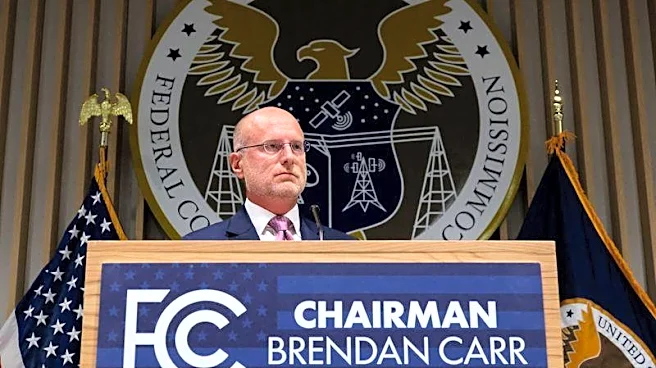
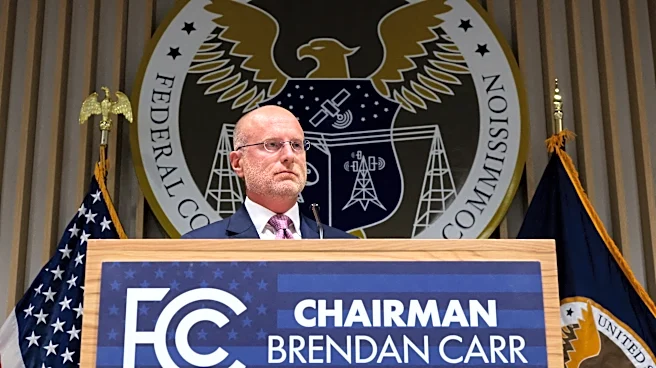
The Federal Communications Commission (FCC) is currently reviewing the E-Rate program, a congressionally-funded initiative established in the late 1990s to support internet connections for educational institutions and libraries. This program has been
instrumental in providing reliable internet access to schools and libraries nationwide, including the Warren County Memorial Library. The review comes as libraries, which rely heavily on the internet for their operations in the current information age, express concerns about potential changes to the funding. The E-Rate program not only ensures broadband speeds but also covers regular network maintenance, safety, and security. Local library boards, such as the Library Board of Advisors, are urging the public to voice their support for the program to the FCC and their representatives, highlighting that a termination of E-Rate funding would force libraries to reduce essential programs and services to maintain internet access.
Why It's Important?
The E-Rate program is critical for bridging the digital divide and ensuring equitable access to information and educational resources across the U.S. Its potential termination or significant alteration could have profound impacts on communities, particularly those in underserved areas that depend on libraries for internet access. Libraries serve as vital community hubs, offering not only internet connectivity but also a wide array of programs and services that require online access. A reduction in E-Rate funding could lead to decreased internet speeds, compromised network security, and the curtailment of educational and community programs, disproportionately affecting students, job seekers, and low-income individuals who rely on these free resources. The program's continuation is essential for maintaining the technological infrastructure that supports modern education and public information access, directly impacting the ability of U.S. citizens to participate in the digital economy and society.
What's Next?
The FCC's review of the E-Rate program will determine its future structure and funding levels. Stakeholders, including library boards and community advocates, are actively encouraging public engagement through direct comments to the FCC and outreach to congressional representatives. The outcome of this review will dictate whether libraries and schools can continue to rely on consistent federal support for their internet infrastructure. If the FCC decides to reduce or terminate E-Rate funding, libraries will likely face difficult decisions regarding budget reallocations, potentially leading to service cuts or increased local funding burdens. Conversely, a decision to maintain or enhance E-Rate funding would reinforce the federal commitment to digital equity and support the ongoing technological needs of educational and public institutions.
Beyond the Headlines
The debate surrounding E-Rate funding extends beyond mere internet access; it touches upon the fundamental role of public libraries in a technologically advanced society and the government's responsibility in ensuring universal access to information. In an era where digital literacy and online resources are increasingly crucial for economic mobility and civic participation, the E-Rate program underpins the ability of libraries to fulfill their mission. Any significant cut to this funding could exacerbate existing inequalities, creating a two-tiered system where access to essential online resources is determined by local economic conditions rather than universal availability. This situation could lead to long-term societal consequences, including reduced educational attainment, limited job opportunities for those without home internet, and a widening gap in access to government services and health information, all of which are increasingly digital-first.