

What's Happening?
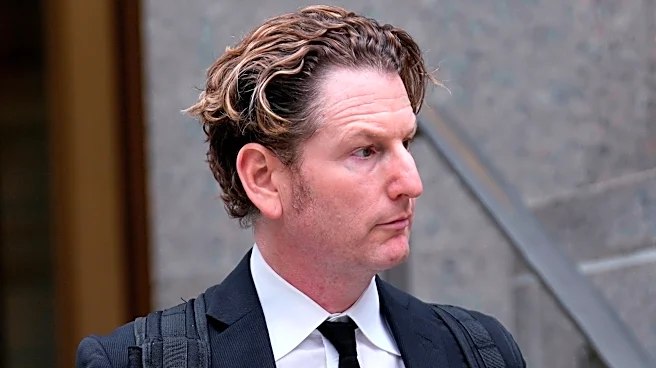
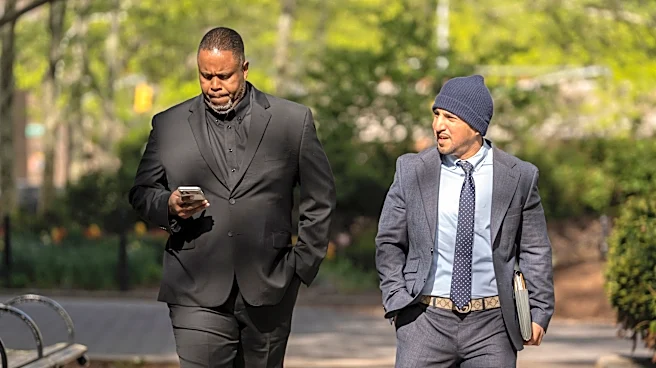
A father and daughter, Erwin Bankowski and Karolina Bankowska, have pleaded guilty to defrauding New York City's art world by selling counterfeit artworks. The duo, Polish citizens residing in New Jersey, were involved in a scheme that produced fake pieces
attributed to renowned artists like Banksy and Andy Warhol. These counterfeits were created in Poland by an unnamed co-conspirator and sold to unsuspecting buyers, including prominent auction houses, for over $2 million. The pair faces charges of wire fraud conspiracy and misrepresenting Native American-produced goods, with potential prison sentences exceeding three years, restitution of $1.9 million, and possible deportation to Poland.
Why It's Important?
This case highlights the vulnerabilities within the art market, where forgeries can circulate undetected, undermining the credibility of auction houses and dealers. The scheme's exposure underscores the need for more rigorous authentication processes and due diligence in art transactions. The incident also raises awareness about the prevalence of art fraud and the challenges in distinguishing genuine works from sophisticated forgeries. The legal consequences faced by the Bankowskis serve as a deterrent to others considering similar fraudulent activities and emphasize the importance of maintaining integrity in the art industry.
Beyond the Headlines
The art fraud case reflects broader issues of trust and authenticity in the art world, where the value of artworks is often tied to their provenance and historical significance. The incident may prompt auction houses and galleries to invest in advanced technologies and expert consultations to verify the authenticity of artworks. Additionally, the case highlights the global nature of art fraud, with forgeries being produced and sold across international borders. This could lead to increased collaboration between international law enforcement agencies to combat art-related crimes more effectively.