




What's Happening?
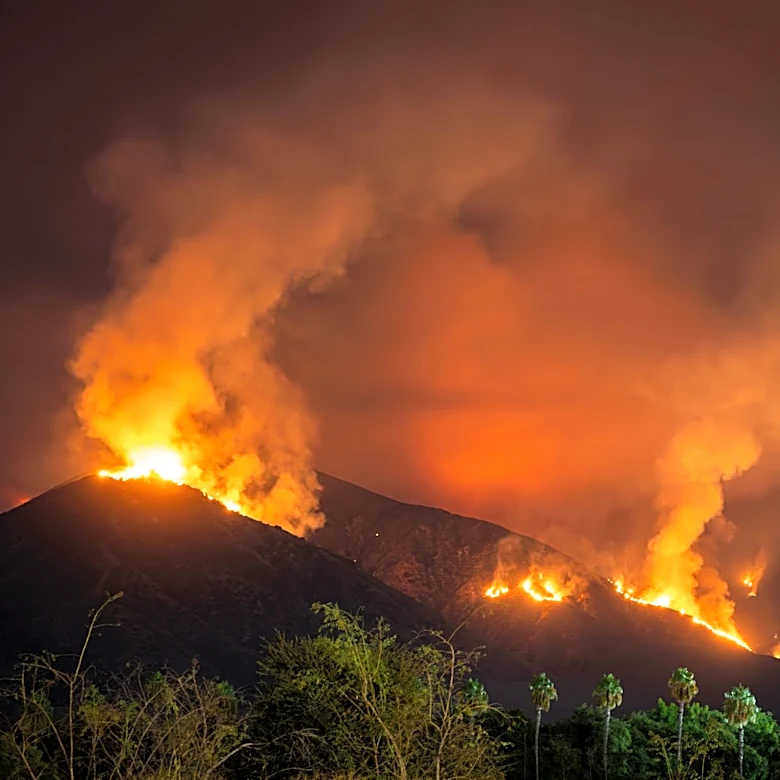
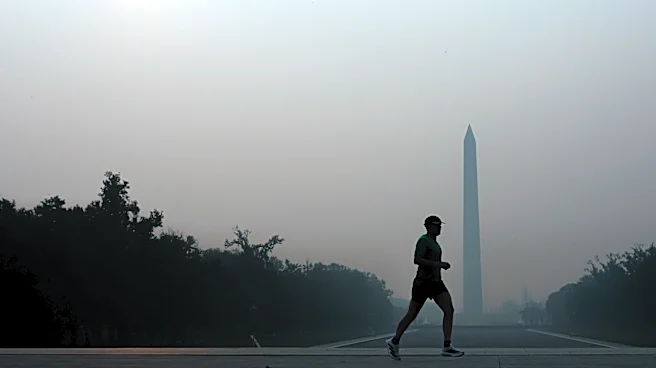
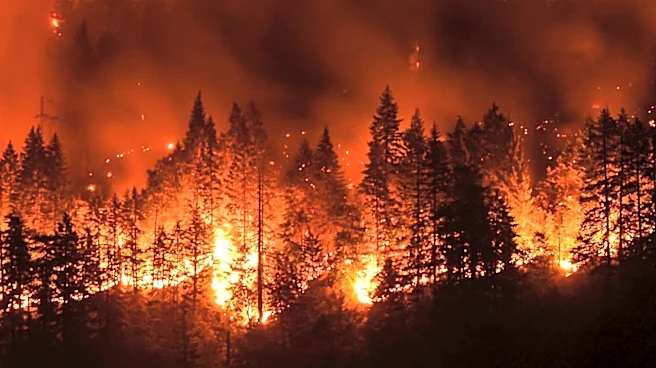
As wildfires continue to burn, particularly those originating from Canada, smoke has settled over various parts of the United States, creating hazardous air conditions for millions. Health experts emphasize the importance of maintaining clean indoor air to mitigate
the health risks associated with the tiny particles present in wildfire smoke. Recommendations include using central air conditioning systems with high-efficiency filters, such as those rated MERV 13 or higher, and ensuring these systems recirculate indoor air rather than drawing in air from outside. Portable air filters, especially those with HEPA filters, are also advised to trap small pollution particles. For those unable to afford commercial air purifiers, DIY solutions using furnace filters and box fans are suggested as effective alternatives.
Why It's Important?
The presence of wildfire smoke poses significant health risks, including respiratory issues and exacerbation of chronic conditions. The guidance provided by health officials is crucial for public safety, particularly for vulnerable populations such as the elderly, children, and those with pre-existing health conditions. By improving indoor air quality, individuals can reduce their exposure to harmful pollutants, thereby decreasing the likelihood of adverse health effects. This advice is particularly pertinent as climate change increases the frequency and intensity of wildfires, making smoke exposure a more common occurrence.
What's Next?
As wildfires continue to be a recurring issue, ongoing public health campaigns and research into effective air quality management will be essential. Communities may see increased investment in public infrastructure to provide clean air spaces, such as libraries and community centers. Additionally, there may be a push for more stringent building codes and air filtration standards in residential and commercial properties to better protect against smoke infiltration.
Beyond the Headlines
The situation highlights broader environmental and public health challenges, including the need for comprehensive strategies to address the root causes of increased wildfire activity, such as climate change. It also underscores the importance of community resilience and preparedness in the face of natural disasters. Long-term, there may be shifts in urban planning and public policy to prioritize air quality and environmental health.