








What's Happening?
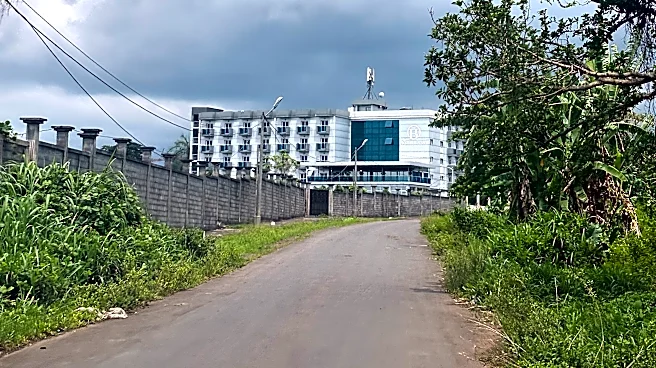
A hotel in Equatorial Guinea, used to detain migrants deported from the U.S., is reportedly housing a suspected Ebola patient, according to deportees and their lawyers. The hotel, owned by President Teodoro Obiang Nguema Mbasogo, is part of a third-country
deportation deal with the Trump administration. The detainees, from countries including Angola and Ethiopia, claim that a man suspected of having Ebola was brought to the hotel by medical personnel in hazmat suits. The situation has raised concerns about the health and safety of the deportees, who report inadequate protective measures and lack of information about the quarantine.
Why It's Important?
The presence of a suspected Ebola patient in a facility housing U.S. deportees highlights the complexities and potential risks associated with third-country deportation agreements. The situation underscores the challenges of managing public health concerns in detention settings, particularly when dealing with infectious diseases like Ebola. It also raises ethical and legal questions about the treatment of deportees and the responsibilities of both the U.S. and host countries in ensuring their safety and well-being. The incident may prompt scrutiny of the Trump administration's deportation policies and their implications for human rights and public health.
What's Next?
The situation in Equatorial Guinea may lead to increased calls for transparency and accountability in the handling of deportees and public health risks. Legal and human rights organizations may seek to challenge the conditions under which deportees are held and advocate for improved health and safety measures. The incident could also influence international discussions on deportation practices and the responsibilities of countries involved in third-country agreements. Ongoing monitoring of the health situation and the response of authorities will be crucial in addressing the concerns raised by this case.