






What's Happening?
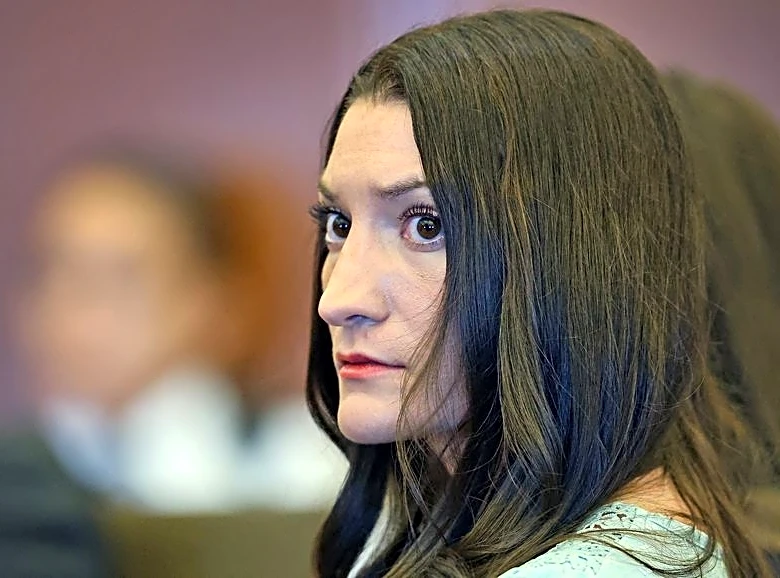
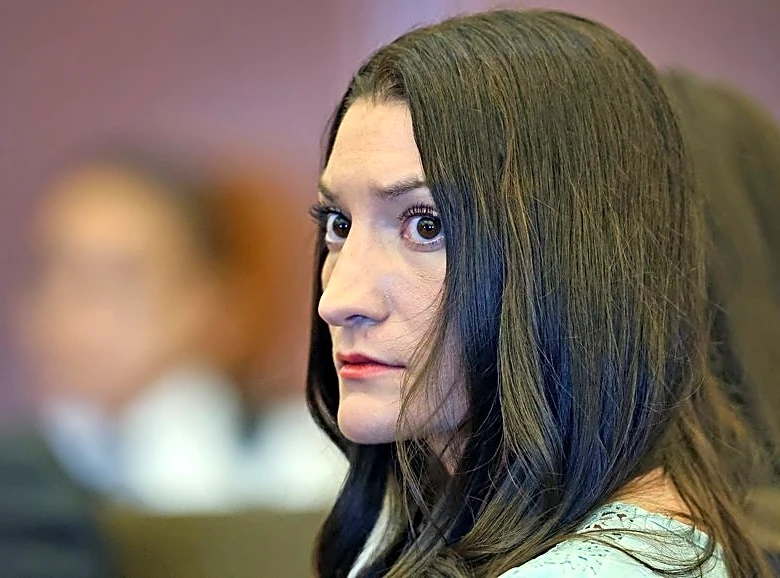
A Richmond couple, Erica Jackson, 39, and Jason Jackson, 40, have been sentenced for conspiracy to commit healthcare fraud, involving a scheme to overbill Medicaid by nearly $1 million for mental health services. According to the Virginia Attorney General's
Office, the Jacksons, who operated Live 4 Life, Inc., a mental health counseling agency, engaged in fraudulent billing practices starting in January 2019. Erica Jackson directed Qualified Mental Health Professionals (QMHPs) to bill Medicaid for services not provided, including treating brief interactions as full hours and double-billing for services to siblings. Jason Jackson was responsible for submitting these fraudulent claims. The couple used the illicit proceeds to purchase luxury cars, invest in failed vegan restaurants, and make lease payments for their residence. Erica Jackson received a four-year prison sentence, while Jason Jackson was sentenced to six months.
Why It's Important?
This case highlights the severe consequences of Medicaid fraud, which diverts critical resources from vulnerable Virginians who depend on these services and abuses taxpayer trust. Attorney General Jay Jones emphasized his office's commitment to prosecuting those who exploit individuals and misuse public funds. The nearly $1 million in fraudulent billing represents a significant loss to the Medicaid program, impacting its ability to provide legitimate care. Such fraud not only has financial implications but also erodes public confidence in healthcare systems and government programs designed to assist those in need. The successful prosecution, a collaborative effort by the Virginia Attorney General's Medicaid Fraud Control Unit, the FBI, and the Virginia Department of Medical Assistance Services, underscores the importance of inter-agency cooperation in combating complex financial crimes.
What's Next?
The sentencing of Erica and Jason Jackson concludes the immediate legal proceedings for this specific case. However, the broader implications for Medicaid fraud prevention and enforcement will continue. The Virginia Attorney General's Medicaid Fraud Control Unit, supported by federal funding, will likely continue its efforts to investigate and prosecute similar cases. This case serves as a deterrent to others contemplating healthcare fraud. Furthermore, the Virginia Department of Medical Assistance Services may review its oversight mechanisms to prevent future fraudulent activities. The focus will remain on safeguarding public funds and ensuring that Medicaid resources are directed to legitimate healthcare services for eligible recipients, potentially leading to stricter auditing and compliance requirements for healthcare providers.
Beyond the Headlines
The Jacksons' use of fraudulently obtained funds for luxury items and failed business ventures reveals a pattern of personal enrichment at the expense of public welfare, highlighting the ethical bankruptcy often associated with such crimes. This case also sheds light on the vulnerabilities within large-scale public assistance programs like Medicaid, where sophisticated schemes can go undetected for periods, causing substantial financial damage. The involvement of QMHPs in the fraudulent billing, even if directed by Erica Jackson, raises questions about professional ethics and oversight within mental health service provision. This incident could prompt a re-evaluation of training and ethical guidelines for mental health professionals involved in Medicaid billing, aiming to prevent future complicity in fraudulent activities and protect the integrity of mental health services.