



What's Happening?
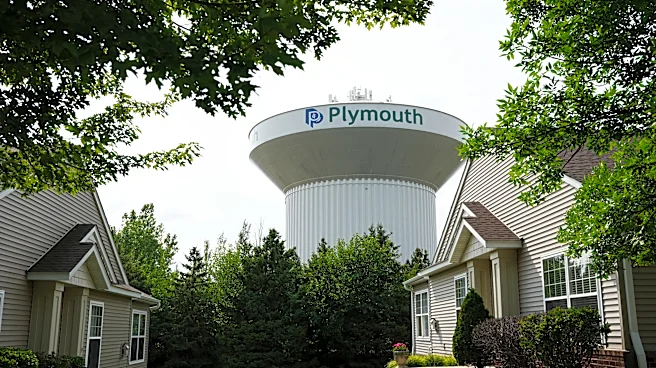
Over the past week, more than 30 community water systems in Minnesota were targeted in a coordinated cyberattack, raising concerns about the vulnerability of U.S. water infrastructure. Federal agencies, including the FBI and the Cybersecurity and Infrastructure
Security Agency, have issued warnings to water utility operators to enhance security protocols. The attacks focused on programmable logic controllers, which manage critical functions like pressure sensors and chemical levels. Hackers have been able to compromise these systems, turning off alarms and alerts without causing immediate damage. This incident underscores the increasing threat of cyberattacks on critical infrastructure, as more utilities rely on internet connectivity.
Why It's Important?
The cyberattacks on water systems highlight a significant risk to public safety and infrastructure. If successful, such attacks could lead to unsafe drinking water, loss of water pressure, and potential flooding. The reliance on internet-connected systems makes these utilities vulnerable to cyber threats, which could have severe consequences for public health and safety. The incident also emphasizes the need for improved cybersecurity measures and preparedness at both the utility and household levels. Ensuring the safety of water supplies is crucial, as disruptions could impact hospitals, fire services, and other essential services.
What's Next?
In response to these attacks, water utilities are expected to review and strengthen their cybersecurity protocols. Federal agencies will likely continue to monitor the situation and provide guidance to prevent future incidents. On a broader scale, there may be increased investment in cybersecurity infrastructure and training for utility operators. Households are encouraged to prepare for potential disruptions by storing water and understanding purification options. The incident may also prompt discussions on national policies to protect critical infrastructure from cyber threats.