



What's Happening?
As wildfires continue to affect Canada and the American West, the formation of a strong El Niño in the Pacific Ocean offers potential relief, but not until next year. El Niño typically brings wetter conditions to the Southern U.S., which can help reduce
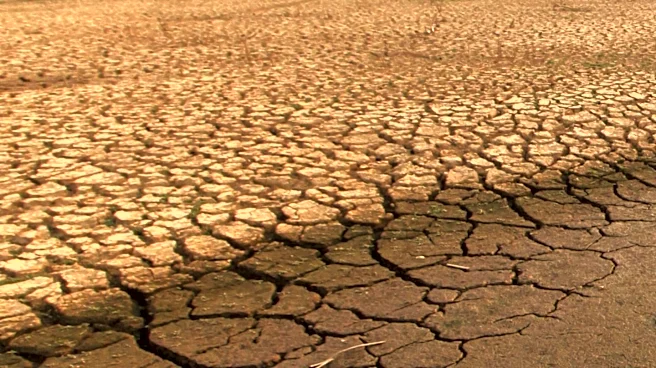
wildfire risks by keeping vegetation moist. However, the current El Niño's effects are not expected to be felt until the fall, winter, and spring seasons, which often lead to milder wildfire seasons the following summer. Meanwhile, the Western U.S. is still dealing with the aftermath of a hot winter and low snowpack, partly due to the recent La Niña, which brought drier conditions to the region.
Why It's Important?
The delayed impact of El Niño on wildfire activity highlights the challenges of relying on climate patterns for disaster mitigation. While El Niño can reduce the likelihood of severe wildfires in the Southern U.S., its effects are not guaranteed and do not eliminate the risk entirely. The ongoing wildfires pose significant threats to communities, ecosystems, and air quality, with potential economic losses in affected regions. Understanding the complex interactions between climate cycles and wildfire activity is crucial for developing effective fire management strategies and improving resilience to future climate-related disasters.
What's Next?
Researchers and policymakers will continue to study the relationship between El Niño, La Niña, and wildfire activity to improve predictive models and inform fire management practices. Efforts will focus on enhancing early warning systems, increasing public awareness, and implementing measures to protect vulnerable communities and ecosystems. As El Niño's effects become more pronounced, there will be opportunities to assess its impact on wildfire risk and adjust strategies accordingly. Collaboration between scientists, government agencies, and local communities will be essential for building resilience to future climate-related challenges.