





What's Happening?
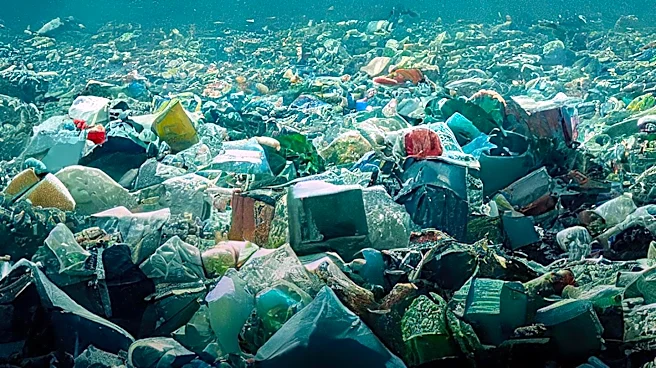
Over 400 young leaders from more than 50 countries, participating in the Global Model WHO at WHO headquarters in Geneva, have issued a strong demand for human health to be a central component of the Global Plastics Treaty. During the four-day event, delegates
negotiated various health-related issues, culminating in the adoption of the Global Model WHO Youth Declaration on Plastics and Health. This declaration, directed at the resumed plastics treaty negotiations in March 2027 and the World Health Assembly in May 2027, emphasizes that plastics are not merely an environmental concern but also a significant health problem. The declaration calls for binding health obligations within the treaty, formal involvement of health ministries in national delegations, and safeguards against conflicts of interest with the plastics and petrochemical industries.
Why It's Important?
This initiative is crucial because it reframes the global plastics discussion from primarily an environmental issue to a public health crisis. By advocating for binding health obligations, the youth delegates are pushing for a treaty that directly addresses the documented presence of plastic particles and chemicals in the human body, including blood, brain tissue, and amniotic fluid. This shift in focus could lead to more comprehensive and stringent regulations, as health concerns often carry significant weight in policy-making. The demand for health ministries' involvement ensures that medical and public health perspectives are integrated into the negotiations, potentially leading to policies that prioritize human well-being over industrial interests. Furthermore, safeguards against conflicts of interest aim to prevent the dilution of treaty provisions by powerful industry lobbies, ensuring a more robust and effective agreement.
What's Next?
The Global Model WHO Youth Declaration on Plastics and Health will be presented to the resumed plastics treaty negotiations in March 2027 and the World Health Assembly in May 2027. The support campaign associated with the declaration encourages individuals to pledge personal commitments to reduce plastic-related health harms, building public backing ahead of these critical meetings. Negotiators will face the challenge of incorporating these health-focused demands into the final treaty text, determining whether plastics will be treated as a health hazard with binding obligations, measurable targets, and enforceable guardrails. The outcome will significantly influence future global health policies and the regulatory landscape for plastic production and use.
Beyond the Headlines
The youth declaration's emphasis on health highlights a deeper societal concern about the long-term impacts of ubiquitous materials on human biology. By pointing out that over 16,000 chemicals are used or found in plastics, with at least one in four being hazardous, the delegates are challenging the assumption of safety for many everyday products. The call for standardized methods to measure plastic chemicals and particles in the human body underscores a critical gap in current scientific understanding and regulatory frameworks. This initiative also reflects a growing trend of youth activism influencing global policy, demonstrating how younger generations are demanding proactive measures to address complex issues like environmental health. The debate over medical exemptions for plastics, particularly for vulnerable populations like infants and pregnant people, raises ethical questions about balancing clinical utility with potential health risks, pushing for a re-evaluation of material choices in healthcare.