





What's Happening?
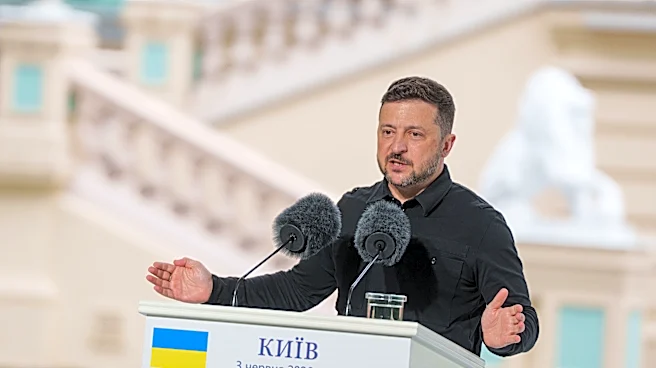
On June 7, 2026, Russian forces launched a series of attacks across Ukraine, including a strike near the Chernobyl nuclear power plant. Ukrainian President Volodymyr Zelenskyy reported that the attack targeted infrastructure around the Chernobyl site,
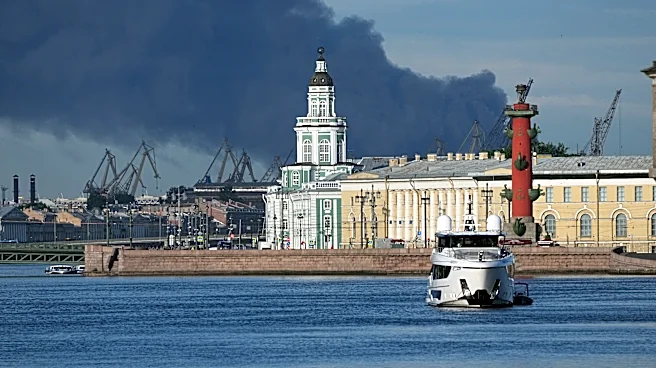
specifically a fuel storage facility in the exclusion zone. This incident is part of a broader escalation, with Russia reportedly launching 88 missiles, 3,250 drones, and 1,800 guided aerial bombs against Ukraine over the past week. In response, Ukraine has launched hundreds of drones at Russian targets, including areas around St. Petersburg. The exchange of attacks follows President Putin's rejection of a peace meeting proposal from President Zelenskyy.
Why It's Important?
The attacks near Chernobyl highlight the ongoing and escalating conflict between Russia and Ukraine, raising concerns about the safety of nuclear sites in conflict zones. The use of drones and missiles in populated areas increases the risk of civilian casualties and infrastructure damage. The international community is likely to be concerned about the potential for a nuclear incident, given the historical significance of Chernobyl. The conflict also underscores the strained diplomatic relations between Russia and Ukraine, with failed attempts at peace talks exacerbating tensions. The situation could have broader implications for regional stability and international diplomatic efforts to mediate the conflict.
What's Next?
The International Atomic Energy Agency (IAEA) plans to send a team to inspect the damage at the Chernobyl site. Meanwhile, both Russia and Ukraine are expected to continue their military operations, with potential for further escalation. The international community may increase diplomatic pressure on both nations to de-escalate the conflict. Additionally, there could be calls for increased sanctions against Russia or support for Ukraine from Western nations. The ongoing conflict is likely to remain a focal point in international relations, with potential impacts on global energy markets and security policies.
Beyond the Headlines
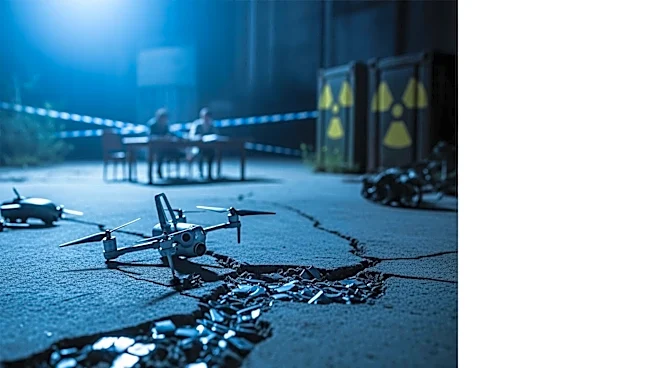
The targeting of a site near Chernobyl raises ethical and legal questions about the conduct of warfare, particularly in relation to the protection of nuclear facilities. The incident may prompt discussions on international laws governing military actions near sensitive sites. Additionally, the conflict highlights the evolving nature of warfare, with drones playing a significant role in modern military strategies. This could lead to increased investment in drone technology and counter-drone measures by nations worldwide. The situation also reflects the broader geopolitical tensions between Russia and Western nations, with potential long-term impacts on global alliances and security frameworks.