







What's Happening?
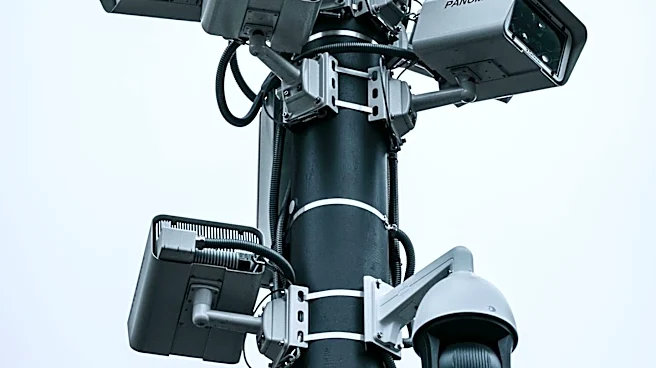
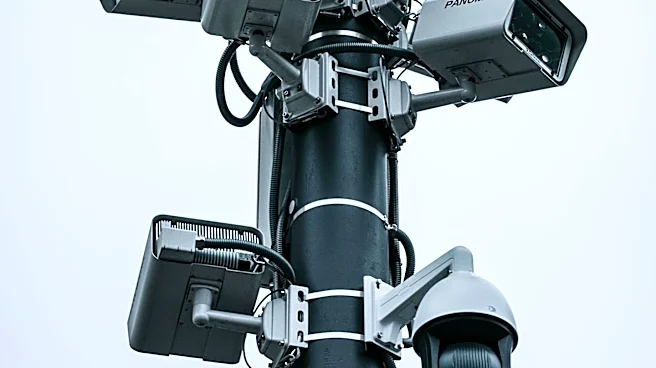
The Cedar Rapids Police Department (CRPD) will not renew its contract with Flock Safety for automated license plate readers (ALPRs) when it expires in February. Instead, the department plans to replace the existing Flock cameras with ALPRs from Axon.
This decision follows a nationwide trend of law enforcement agencies transitioning from Flock to Axon technology. Axon, a company known for manufacturing tasers, body-worn cameras, and various police software, was an early investor in Flock, though their partnership concluded in early 2025. Cedar Rapids already utilizes other Axon technologies, such as the Fusus real-time intelligence platform, which integrates officer location, body-cam footage, and dispatch data. Captain Cody Estling, head of the Criminal Investigations Division, stated that Axon Outpost license plate readers will seamlessly integrate into the department's existing Axon ecosystem, enhancing efficiency.
Why It's Important?
This technological shift is significant for Cedar Rapids residents and raises important questions about privacy, data management, and law enforcement practices. The transition from Flock to Axon ALPRs impacts how vehicle data is collected, stored, and accessed. While Flock operates a nationwide lookup database, with agencies having optional sharing, communities have previously reported instances where Flock shared data without agencies' full awareness. In contrast, Captain Doug Doyle of the CRPD emphasized that Axon does not maintain a central database of license plate data; local departments retain control, and Axon only gains access during setup with explicit permission. This distinction is crucial for public trust, especially given past concerns about data sharing with federal agencies like ICE, which led to public skepticism during an informational meeting. The move aims to provide greater local control over sensitive data, potentially mitigating privacy concerns while maintaining law enforcement capabilities.
What's Next?
The Cedar Rapids Police Department's contract with Flock Safety is set to expire in February, at which point the transition to Axon ALPRs will occur. City officials, including Mayor Tiffany O’Donnell and City Councilor Dale Todd, along with police representatives, held a public information meeting to explain the change. Despite some public pushback and interruptions during the meeting, officials committed to addressing all submitted questions and publishing answers on an FAQ page on the city’s website. The police department has assured the public that the number of cameras will not increase, and their locations will largely remain the same. The city expects to continue using approximately 70 ALPRs, maintaining a ratio of about one camera per 20 miles of road. This transition will be closely watched by privacy advocates and the community to ensure transparency and accountability in data handling.
Beyond the Headlines
The debate over ALPR technology in Cedar Rapids reflects a broader national conversation about surveillance, privacy, and the role of technology in policing. The public's skepticism regarding data sharing, particularly with federal agencies, highlights a growing demand for transparency and accountability from law enforcement. The choice of Axon, with its decentralized data storage model, could set a precedent for other municipalities seeking to balance public safety with civil liberties. This shift also underscores the evolving landscape of law enforcement technology, where companies like Axon are increasingly offering integrated solutions that promise efficiency but also necessitate robust oversight. The community's engagement, even with vocal opposition, demonstrates the importance of public discourse in shaping policies that govern the use of such powerful surveillance tools.