





What's Happening?
U.S. Representative Tim Burchett has expressed strong opposition to the use of surveillance technology, specifically Flock cameras, describing their proliferation as a 'slippery slope.' He is advocating for legislation that would prohibit federal grant
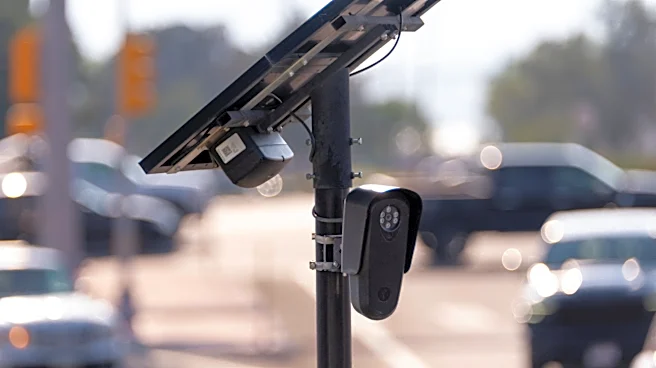
dollars from being used to fund such surveillance cameras. This stance comes as law enforcement surveillance, particularly with license plate reading and tracking cameras from companies like Flock, has become a significant topic of debate among East Tennesseans. WVLT has initiated an interactive map to show the deployment locations of these cameras by agencies such as the Knoxville Police Department, Knox County Sheriff’s Office, and Clinton Police Department, using information obtained through open records requests. Private citizens and public officials, including Knox County Mayor Glenn Jacobs, have joined Representative Burchett in calling for regulation over law enforcement surveillance.
Why It's Important?
The growing debate over surveillance technology, highlighted by U.S. Representative Tim Burchett's call for regulation, is crucial for several reasons. The widespread deployment of license plate readers and other surveillance tools raises significant privacy concerns for U.S. citizens, as these technologies can track movements and potentially create detailed profiles of individuals without their explicit consent. The 'slippery slope' argument suggests that unchecked surveillance could lead to broader infringements on civil liberties. Representative Burchett's proposed legislation to restrict federal funding for these cameras could have a substantial impact on how local law enforcement agencies acquire and utilize such technology, potentially shifting the balance between public safety measures and individual privacy rights. This issue also underscores the tension between technological advancements and ethical considerations, prompting a necessary public discourse on the appropriate limits of government surveillance in a democratic society.
What's Next?
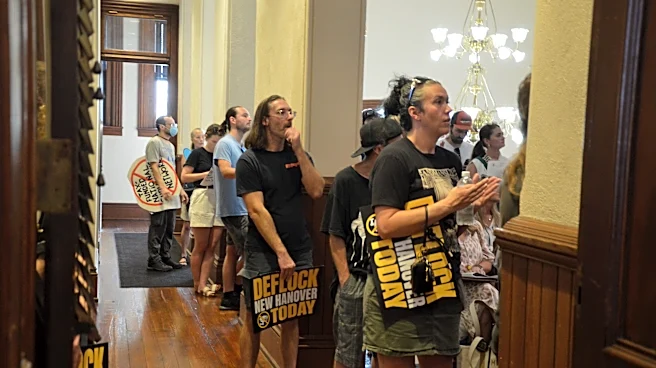
U.S. Representative Tim Burchett is expected to continue his efforts to introduce and advocate for legislation that would prevent federal grant money from funding surveillance cameras. This legislative push will likely spark further debate in Congress and among various stakeholders, including law enforcement agencies, civil liberties advocates, and technology companies. Local communities in East Tennessee and across the U.S. will likely continue to grapple with the deployment of surveillance technologies, with ongoing discussions and potential protests regarding their use. The interactive map created by WVLT will serve as a tool for public awareness and accountability, potentially influencing local policy decisions. The outcome of these legislative and community discussions could set precedents for how surveillance technology is regulated and integrated into public safety strategies nationwide, impacting both privacy rights and law enforcement capabilities.
Beyond the Headlines
The controversy surrounding surveillance technology, championed by U.S. Representative Tim Burchett, extends beyond immediate privacy concerns to touch upon fundamental questions about the nature of a free society and the role of government in monitoring its citizens. The 'slippery slope' argument implies a fear of mission creep, where technologies initially deployed for specific public safety purposes could be expanded to broader, more intrusive forms of monitoring. This raises ethical dilemmas about data collection, storage, and potential misuse, as well as the risk of disproportionate impact on certain communities. The debate also highlights the challenge of balancing security needs with constitutional rights, particularly the Fourth Amendment's protection against unreasonable searches. Ultimately, the outcome of these discussions could redefine the boundaries of privacy in the digital age and shape the future relationship between citizens and the state, influencing public trust and the democratic process itself.