







What's Happening?
Activists across the United States are planning an economic blackout on May Day, calling for 'no school, no work, no shopping' to protest government policies perceived as prioritizing the needs of billionaires over workers. The movement, led by labor
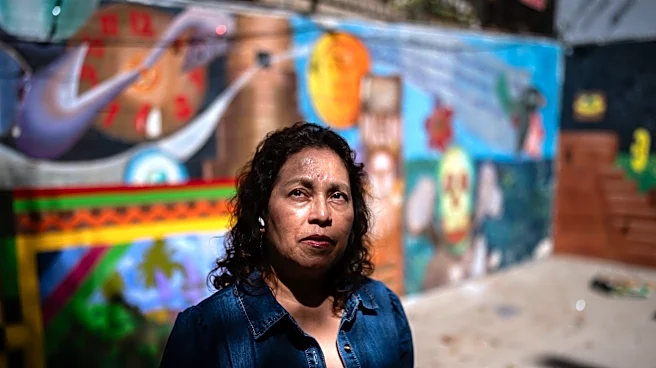
unions and community groups, aims to highlight issues such as immigration rights, voting rights, and workers' rights. Neidi Dominguez, a key organizer, noted that the number of May Day events has more than doubled compared to the previous year, with significant participation expected in cities like Los Angeles and Chicago. The protests are partly a response to actions by the Trump administration, including proposed ICE operations at polling places and military actions abroad.
Why It's Important?
The planned economic blackout reflects growing discontent with current government policies and a desire for systemic change. By organizing such widespread protests, activists aim to demonstrate the collective power of workers and communities in influencing policy decisions. The movement seeks to build a larger coalition advocating for democratic values and economic justice, potentially impacting future political and social landscapes in the U.S.
What's Next?
As the May Day events unfold, the scale and impact of the protests will be closely watched. Success in mobilizing large numbers could strengthen the movement's influence and lead to increased pressure on policymakers to address the highlighted issues. The response from government officials and the public will be critical in determining the movement's future trajectory.