




What's Happening?
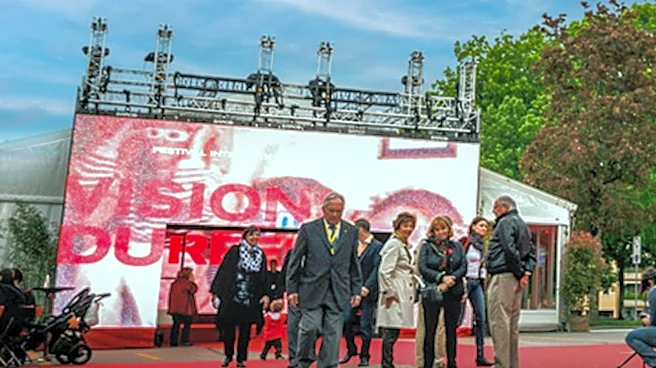
Curia Global, Inc., a research, development, and manufacturing organization, has officially opened its expanded campus in Albuquerque, New Mexico. The expansion, a $200 million investment, adds 70,000 square feet to the existing 200,000 square foot manufacturing facility.
This new space houses two isolated filling lines: a VarioSys® flexible filling line for syringes, cartridges, and vials, and a high-speed vial line capable of handling 1,000-liter batch sizes and filling up to 400 vials per minute. The project was supported by a cooperative agreement with the Biomedical Advanced Research and Development Authority (BARDA), part of the Administration for Strategic Preparedness and Response (ASPR) within the U.S. Department of Health and Human Services, and the Department of War’s Capability Program Executive for Chemical, Biological, Radiological and Nuclear Defense. The State of New Mexico also contributed through the Local Economic Development Act (LEDA) job creation fund. Company leaders, including CEO Philip Macnabb, hosted federal, state, and local officials at a ribbon-cutting ceremony, emphasizing the need for reliable domestic manufacturing capacity for critical injectable vaccines and medicines.
Why It's Important?
This expansion significantly strengthens the domestic production capacity for critical injectable medicines and vaccines in the United States. The increased capabilities at Curia's Albuquerque facility address a growing demand for reliable, U.S.-based manufacturing, reducing reliance on foreign supply chains for essential pharmaceuticals. This is particularly crucial for public health preparedness and national security, as it ensures a more secure and resilient supply of life-saving drugs during crises or emergencies. The collaboration between Curia, BARDA, and the Department of War underscores a strategic national effort to onshore drug product manufacturing, a complex undertaking requiring substantial investment and time. By enhancing sterile fill-finish and lyophilization services, along with advanced inspection and packaging technologies, Curia is positioned to meet urgent patient and public health needs, contributing to the nation's ability to respond to future health challenges.
What's Next?
The expanded Curia facility is now operational, immediately increasing the domestic capacity for manufacturing injectable vaccines and medicines. This enhanced capability will allow Curia to take on more contracts for critical drug production, serving both clinical and commercial needs. The investment is expected to create new jobs in New Mexico, supported by the State's LEDA fund, further boosting the local economy. The facility's Sterile University™ training program will continue to develop a skilled workforce in sterile manufacturing, ensuring sustained operational excellence. This move aligns with broader federal initiatives to bolster the U.S. biopharmaceutical supply chain, suggesting potential for further government partnerships and investments in domestic manufacturing infrastructure to ensure national preparedness for future health threats.
Beyond the Headlines
The expansion of Curia's Albuquerque facility highlights a broader strategic shift towards re-shoring critical pharmaceutical manufacturing capabilities within the United States. This initiative is not merely about increasing production volume but also about enhancing national resilience and reducing vulnerabilities in the healthcare supply chain. The involvement of BARDA and the Department of War signals a recognition that pharmaceutical manufacturing is a matter of national security, akin to defense capabilities. This trend could lead to a more robust domestic biopharmaceutical ecosystem, fostering innovation and creating high-tech jobs. Furthermore, it could influence future public health policies, emphasizing self-sufficiency in drug production and potentially leading to more stringent requirements for domestic sourcing of essential medicines, thereby reshaping the global pharmaceutical landscape.