


What's Happening?
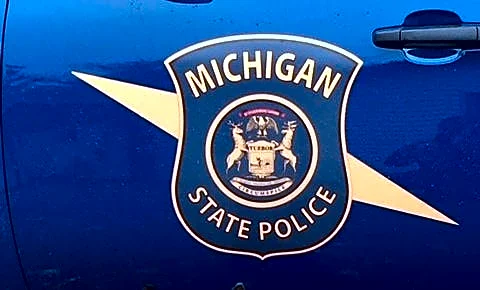
The Sterling Heights Police Department in Michigan has launched a specialized driver training program, known as the SAVES Project, aimed at preparing new drivers with special needs, particularly those with autism, for potential traffic stops. This initiative
involves police officers simulating routine traffic stops to help these individuals understand and manage the situation, which can often be a source of anxiety. Lucas Crescentini, a teenager with autism who recently obtained his driver's license, participated in the program, finding it beneficial for understanding what to expect during such encounters. His father, Luciano Crescentini, expressed relief that the program helps his son feel more prepared and reduces concerns about misunderstandings with law enforcement. The program also provides participants with a blue envelope for their vehicle documents and a bumper sticker to alert officers to their special needs, facilitating a safer and more understanding interaction. Lieutenant Aaron Susalla of the Sterling Heights Police Department emphasized that officers are trained to identify and de-escalate tension in these situations.
Why It's Important?
This program is important because it addresses a critical safety and communication gap between law enforcement and vulnerable populations, specifically drivers with special needs. Traffic stops can be stressful and confusing for anyone, but for individuals with autism or other special needs, the sensory overload, communication challenges, and unexpected nature of such events can lead to heightened anxiety, misinterpretation of instructions, or even adverse reactions. By proactively training these drivers and equipping officers with better awareness, the Sterling Heights Police Department is enhancing public safety for all parties involved. This initiative can reduce the likelihood of misunderstandings, de-escalate potentially tense situations, and foster greater trust between the community and law enforcement. It also highlights a proactive approach to inclusive community policing, recognizing the diverse needs within the population and adapting strategies to meet them effectively. The program's success could serve as a model for other police departments nationwide, promoting a more empathetic and prepared response to interactions with individuals with special needs.
What's Next?
The Sterling Heights Police Department plans to expand the SAVES Project, hoping to accommodate more students in the future. The department encourages interested individuals to contact them to participate in the program. This expansion suggests a commitment to making these specialized training opportunities more widely available to the community. As the program grows, it may lead to further refinements based on feedback from participants and officers, potentially incorporating additional scenarios or support mechanisms. Other law enforcement agencies might observe the outcomes and methodologies of the SAVES Project, potentially inspiring similar initiatives in their own jurisdictions. The continued success and visibility of this program could also prompt broader discussions about standardized training for police officers across the country regarding interactions with individuals with special needs, and the development of national best practices for such encounters. Furthermore, advocacy groups for individuals with special needs may leverage this program as an example of effective community engagement and call for its replication elsewhere.
Beyond the Headlines
Beyond the immediate benefits of safer traffic stops, the SAVES Project touches upon deeper societal implications regarding inclusivity and understanding for individuals with special needs. It challenges the traditional approach to law enforcement interactions by recognizing that a 'one-size-fits-all' method is insufficient for a diverse population. This program fosters a culture of empathy and proactive accommodation, moving beyond mere compliance with disability laws to actively creating environments where individuals with special needs can navigate public spaces with greater confidence and safety. The provision of a blue envelope and bumper sticker, while practical, also serves as a symbolic gesture of recognition and support, helping to destigmatize special needs in public interactions. This initiative could contribute to a broader shift in public perception and policy, encouraging more tailored approaches in various public services to better serve all community members. It underscores the importance of community-led solutions in addressing complex social challenges and building a more inclusive society.