






What's Happening?
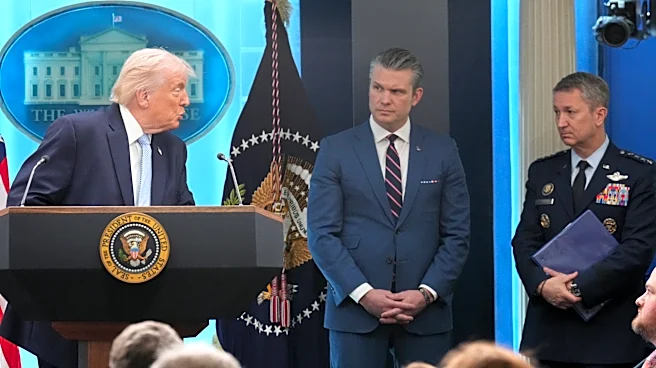
The Endangered Species Committee, known as the 'God Squad,' has exempted oil and gas activities in the Gulf of Mexico from the Endangered Species Act (ESA) requirements. This decision, led by Secretary of Defense Pete Hegseth, is justified as a matter
of national security despite U.S. oil production being at historic highs. The exemption poses a significant threat to the critically endangered Rice’s whales, with only about 50 remaining globally. The committee's decision is controversial, as it may lead to the extinction of this species and negatively impact other Gulf-based wildlife. The exemption is seen as a response to perceived energy needs amidst geopolitical tensions.
Why It's Important?
The exemption granted by the God Squad has profound implications for environmental conservation and energy policy. It highlights the ongoing conflict between economic interests and environmental protection. The decision could accelerate the extinction of Rice’s whales, raising ethical concerns about prioritizing energy production over biodiversity. This move may also set a precedent for future exemptions, potentially undermining conservation efforts. The broader impact includes potential shifts in public opinion and policy debates regarding the balance between national security and environmental stewardship. Stakeholders in conservation and energy sectors will likely engage in discussions to address these challenges.
Beyond the Headlines
The decision by the God Squad reflects deeper issues within U.S. energy policy and environmental ethics. It underscores the tension between short-term economic gains and long-term ecological sustainability. The exemption may prompt legal challenges and advocacy efforts from environmental groups seeking to protect endangered species. Additionally, it raises questions about the role of government committees in making decisions that affect biodiversity. The situation could lead to increased scrutiny of energy policies and their alignment with conservation goals, potentially influencing future legislative and regulatory actions.