








What's Happening?
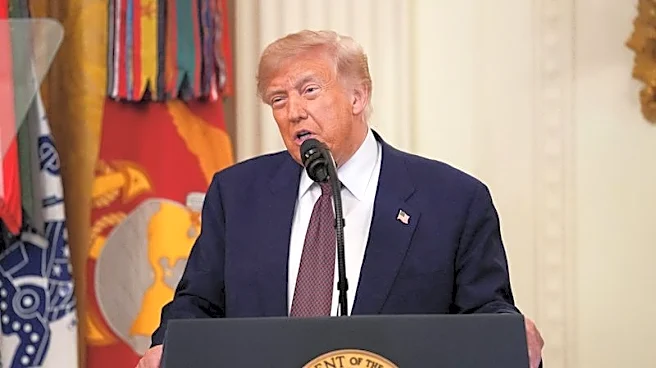
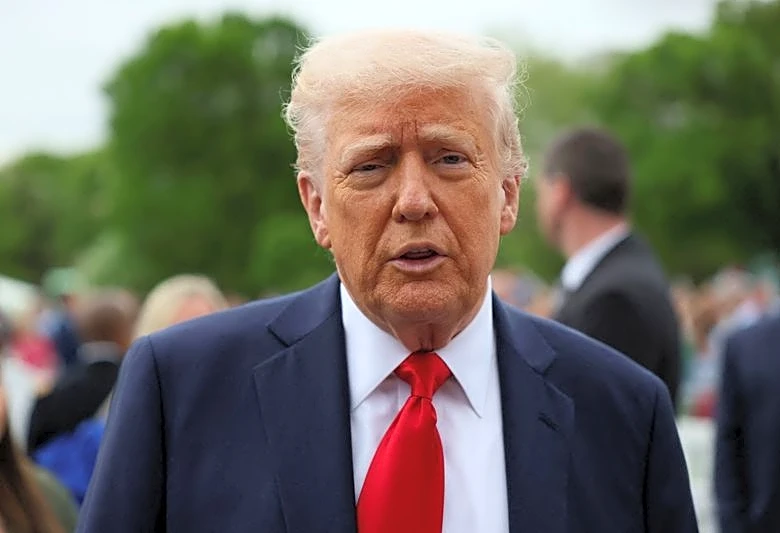
In South Carolina, a significant political event is unfolding as two of the state's top officeholders, Lt. Gov. Pamela Evette and Attorney General Alan Wilson, compete in a Republican primary runoff for the gubernatorial nomination. President Trump has
endorsed both candidates, a move that underscores the competitive nature of the race. Evette, who initially received Trump's endorsement in the primary, narrowly led with 28.9% of the vote, while Wilson followed closely with 26.1%. The runoff is set to determine who will face Democratic nominee Jermaine Johnson in the general election. The outcome of this race is crucial as it will decide the successor to term-limited Republican Gov. Henry McMaster, who has endorsed Evette. The election is also pivotal for the state's role in the 2028 presidential race, given South Carolina's early primary status.
Why It's Important?
The South Carolina gubernatorial runoff is a critical event with implications for both state and national politics. The endorsement by President Trump highlights the influence he continues to wield within the Republican Party. The outcome of this race could affect the party's strategy and voter mobilization efforts ahead of the 2028 presidential primaries. Additionally, the election will determine the leadership direction for South Carolina, impacting policy decisions on key issues such as education, healthcare, and economic development. The race also serves as a barometer for Trump's influence in the South, a region that has been pivotal in past elections.
What's Next?
As the runoff approaches, both candidates are likely to intensify their campaigns, focusing on key battleground regions such as the Upcountry area, which includes populous counties like Greenville and Spartanburg. Voter turnout will be crucial, especially given the historical drop-off in participation between primaries and runoffs. The winner will face Democratic nominee Jermaine Johnson in the general election, a contest that will test the strength of the Democratic Party in a state that has not elected a Democratic governor since 1998. The results will also be closely watched for indications of voter sentiment and party alignment ahead of the 2028 presidential race.