





What's Happening?
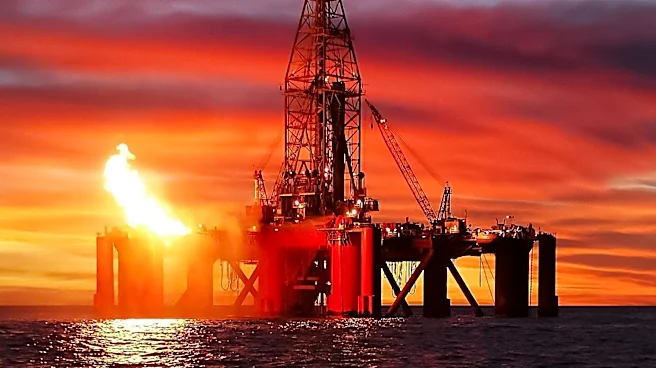
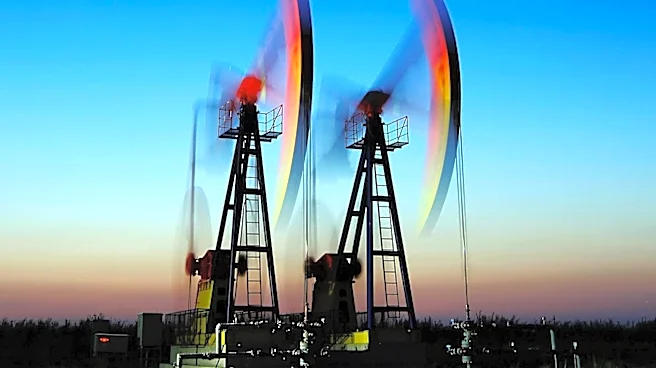
The ongoing war in Iran is having widespread effects on global economies, particularly through disruptions in oil markets. The conflict has led to increased fuel prices, which have subsequently affected various sectors, including agriculture and manufacturing.
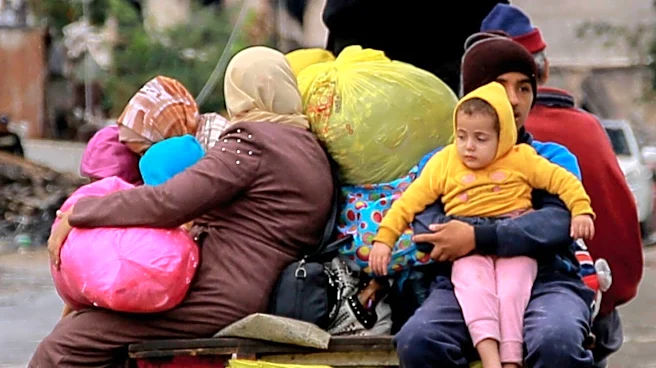
The United Nations Development Program warns that the economic shock could push an additional 45 million people into poverty. The war's impact is felt far beyond the battlefield, as businesses face operational challenges, and individuals experience heightened financial insecurity. The situation underscores the interconnectedness of global economies and the vulnerability of systems reliant on fossil fuels.
Why It's Important?
The Iran war's ripple effects on global economies highlight the fragility of systems dependent on fossil fuels and the potential for geopolitical conflicts to exacerbate economic inequalities. The increase in fuel prices can lead to higher costs for goods and services, affecting consumer spending and economic growth. The potential rise in poverty levels poses significant challenges for international development efforts and could strain social safety nets. This situation emphasizes the need for diversified energy sources and resilient economic policies to mitigate the impact of such shocks. It also calls for international cooperation to address the humanitarian and economic consequences of the conflict.