






What's Happening?
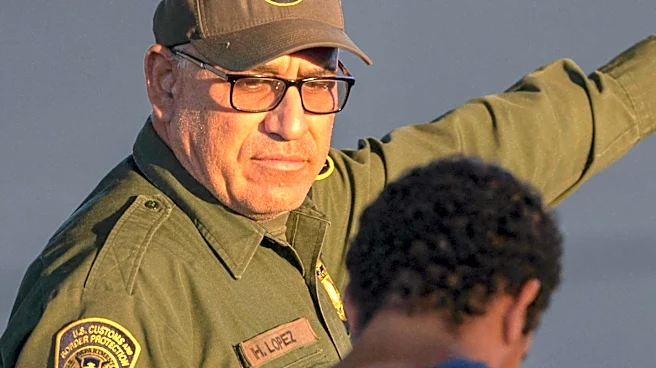
U.S. Immigration and Customs Enforcement (ICE) agents were present in Fort Worth, Texas, over the weekend, conducting targeted enforcement operations. An ICE spokesperson confirmed to the Fort Worth Report that these operations were intelligence-driven
and aimed at apprehending specific individuals, rather than broad enforcement sweeps. The Fort Worth Police Department stated that it does not conduct or direct ICE operations, but was informed of ICE's presence. Reports of ICE activity, including video footage of agents in the Riverside neighborhood, circulated on social media, prompting local officials to address community concerns. Fort Worth City Council members Carlos Flores and Jeanette Martinez confirmed the presence of ICE agents and advised residents on their rights if approached by immigration officials. The Tarrant County Sheriff’s Office clarified that its involvement with ICE is limited to operations within correctional facilities, specifically through the 287(g) program, which allows deputies to screen the immigration status of individuals booked into the county jail.
Why It's Important?
The confirmed presence of ICE agents conducting targeted operations in Fort Worth highlights ongoing tensions surrounding immigration enforcement in U.S. cities. These operations often spark community concerns regarding due process, civil liberties, and the role of local law enforcement in federal immigration matters. The distinction between targeted operations and broad enforcement is crucial for understanding the scope and impact on local populations. For residents, particularly immigrant communities, such activities can create an atmosphere of fear and uncertainty, affecting daily life and trust in local authorities. The advice from City Council members for residents to know their rights underscores the legal complexities and potential challenges individuals face during encounters with ICE. This situation also brings to light the varying levels of cooperation between federal immigration agencies and local law enforcement, as evidenced by the Tarrant County Sheriff’s Office's limited involvement, reflecting a broader national debate on immigration policy and enforcement strategies.
What's Next?
ICE stated that it conducts standard, intelligence-driven daily enforcement across the United States and will continue to make arrests routinely. The agency also warned against interfering with officers, noting that such actions could lead to arrest and prosecution. Local officials will likely continue to monitor ICE activities and provide guidance to their communities. The ongoing debate about immigration enforcement practices and the balance between federal mandates and local community concerns is expected to persist. Advocacy groups will likely continue to educate residents about their rights and push for transparency and accountability from federal agencies. The incident in Fort Worth serves as a reminder of the continuous nature of immigration enforcement and its direct impact on local communities, potentially influencing future policy discussions at both local and national levels regarding immigration and law enforcement collaboration.
Beyond the Headlines
The Fort Worth incident underscores the broader ethical and social implications of immigration enforcement. The use of unmarked vehicles and the focus on 'specific individuals' can contribute to a climate of fear and distrust within communities, regardless of legal status. The emphasis on residents knowing their rights highlights the ongoing struggle for civil liberties in the face of federal enforcement actions. This situation also reflects the complex interplay between federal immigration policy and local governance, where city and county officials often find themselves navigating community expectations while adhering to federal mandates. The public's reaction, as seen in social media reports and bystander interactions, indicates a deep-seated public discourse on the humanity and legality of current immigration practices. This ongoing tension can lead to long-term societal impacts, including reduced community engagement with local services and increased social fragmentation, as residents may become hesitant to interact with any law enforcement out of fear of immigration-related consequences.