



What's Happening?
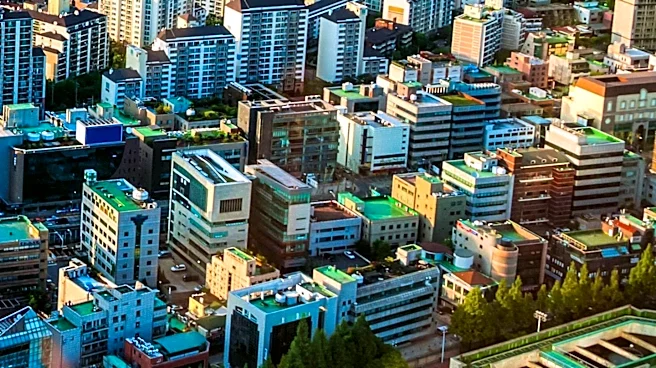
South Korea is facing a severe heatwave, with temperatures reaching a historic high of 42.5°C in Yangsan, marking the highest temperature recorded in 122 years. This extreme weather event has resulted in at least 16 deaths and over 2,000 cases of heat-related
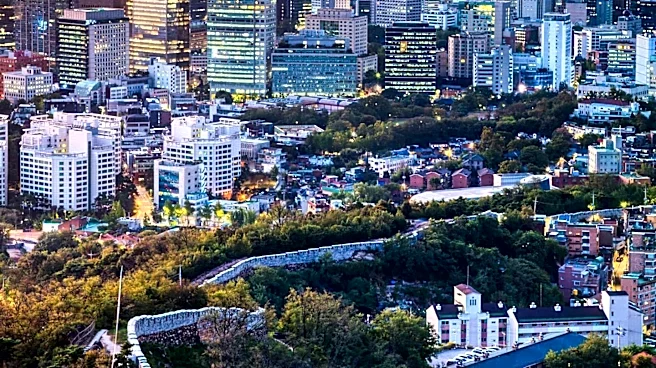
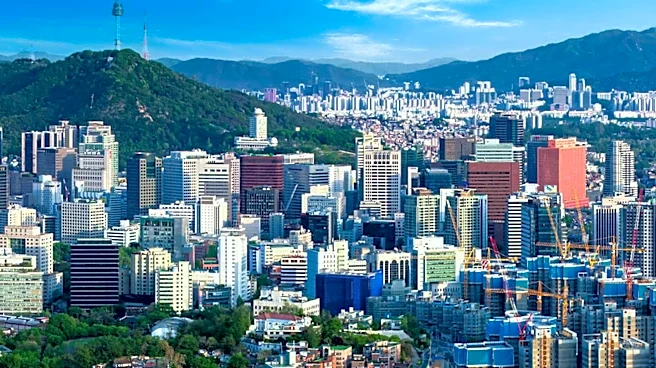
illnesses. In response, President Lee Jae Myung has called for a comprehensive overhaul of the national crisis management system, acknowledging the need for improved infrastructure and emergency response to cope with such climate extremes. The Korea Meteorological Administration has issued its first-ever severe heatwave warning for Seoul and surrounding areas.
Why It's Important?
The heatwave in South Korea underscores the urgent need for countries to adapt their infrastructure and crisis management systems to the realities of climate change. The event highlights the vulnerabilities of existing systems designed for less extreme weather conditions. The government's response may set a precedent for other nations facing similar challenges, emphasizing the importance of proactive climate adaptation measures. The situation also raises awareness about the potential human and economic costs of climate inaction, as extreme weather events become more frequent and severe.
What's Next?
South Korea's government is likely to implement new policies and strategies to enhance its climate resilience, focusing on infrastructure improvements and public health measures. The crisis may lead to increased investment in climate research and technology to better predict and mitigate the impacts of extreme weather. Additionally, there may be a push for international collaboration to address the global challenge of climate change, as countries share experiences and solutions to common problems.