
What's Happening?
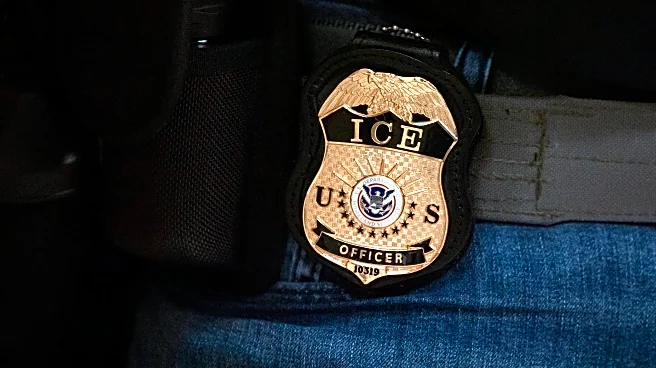
Federal officials have issued an apology following the deportation of a college student during the Thanksgiving break. The student was removed from the United States while visiting family, despite having
unresolved legal matters related to their immigration status. This incident has highlighted the often quiet and administrative nature of immigration enforcement, which can have immediate and significant consequences for individuals and families. Advocates and educators have criticized the deportation, arguing that it should not have occurred before the student's legal issues were fully reviewed. In response to public scrutiny, government officials have acknowledged errors in the handling of the case and are reviewing internal procedures to prevent similar incidents in the future. However, details about how the deportation was authorized remain undisclosed.
Why It's Important?
This case underscores the broader implications of immigration enforcement policies in the United States, particularly the impact on individuals with unresolved legal matters. The deportation of the student during an academic break highlights the vulnerability of students and the potential for bureaucratic decisions to disrupt lives. The incident has sparked renewed debate over immigration enforcement priorities and due process protections. It raises questions about the balance between national security and individual rights, and the need for transparent and fair procedures in handling immigration cases. The apology from federal officials, while a step towards accountability, does not resolve the underlying issues of enforcement practices that can lead to such errors.
What's Next?
The student's current status and whether any steps will be taken to facilitate their return to the United States remain unclear. The case may prompt further discussions and potential policy reviews regarding immigration enforcement practices, particularly those affecting students and individuals with pending legal matters. Advocacy groups and educators are likely to continue pushing for reforms to ensure that similar incidents do not occur in the future. The government's review of internal procedures could lead to changes aimed at preventing administrative errors and ensuring that individuals' legal rights are protected during enforcement actions.