



What's Happening?
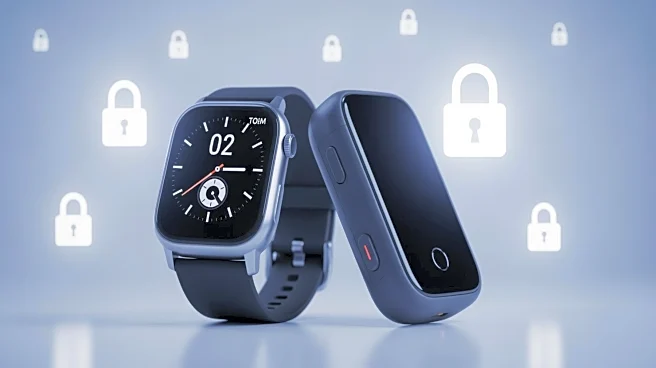
Consumer Reports has conducted an investigation into the privacy and security of kids' smartwatches and GPS trackers, revealing that while these devices offer peace of mind to parents, they also pose potential risks to children's data privacy. The report
highlights that 80% of parents use these devices to track their children's locations, with options ranging from Bluetooth tags to GPS-enabled smartwatches. However, not all devices are designed specifically for children, and assumptions about higher safety standards for kids' products may be misplaced. The investigation reviewed 15 devices, examining privacy policies, app permissions, and data handling practices. It found that while many devices clearly explain data collection practices, some fall short in protecting privacy, lacking features like multifactor authentication and logging unencrypted messages.
Why It's Important?
The findings of this report are significant as they underscore the growing concern over data privacy, especially for children. As more parents turn to technology to ensure their children's safety, the potential for data misuse or breaches increases. This has implications for consumer trust in tech products and highlights the need for stronger privacy protections and regulations. Companies that manufacture these devices may face increased scrutiny and pressure to enhance their security measures. Parents, as primary consumers, stand to gain from improved privacy controls, but they also risk exposing their children's sensitive data if these issues are not addressed.
What's Next?
In response to these findings, it is likely that consumer advocacy groups will push for stricter regulations and standards for children's tech products. Manufacturers may need to invest in better security features and transparent data practices to maintain consumer trust. Parents are advised to choose devices with robust privacy controls and to be transparent with their children about tracking practices. The report suggests that parents should opt for devices with multifactor authentication and avoid those relying on targeted advertising.