
What's Happening?
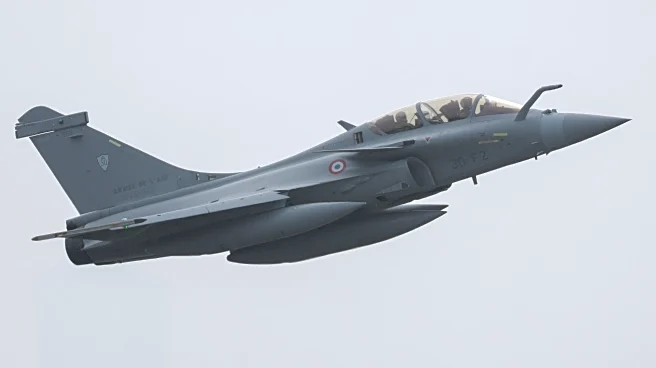
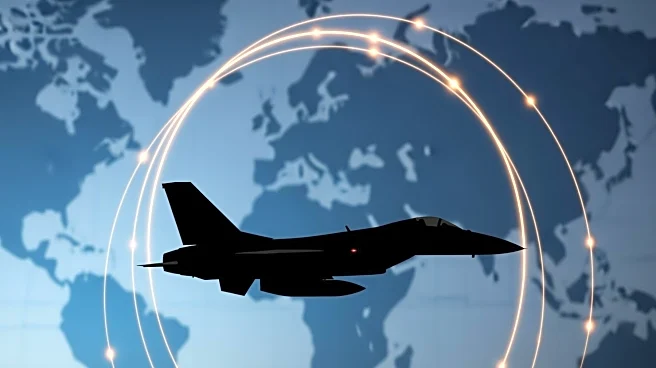
French President Emmanuel Macron has announced a new nuclear strategy that includes the temporary deployment of France's nuclear-armed aircraft to allied countries. This move is part of a broader strategy to enhance France's nuclear deterrence capabilities.
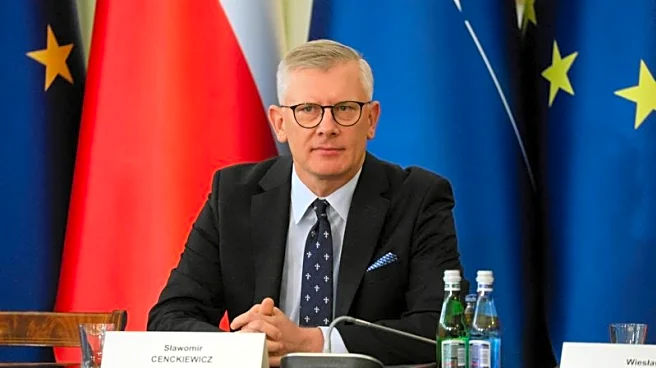
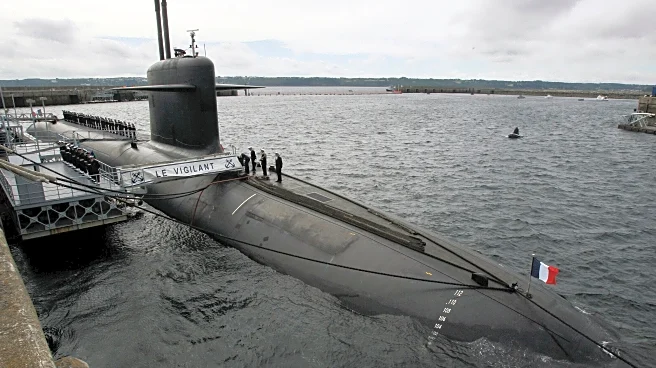
Macron emphasized that while the aircraft may be deployed to allied nations, the decision-making regarding the use of nuclear weapons will remain solely with France. Talks have begun with several European countries, including Britain, Germany, and Poland, about these arrangements. Additionally, Macron revealed plans to increase the number of nuclear warheads, marking the first such increase since at least 1992. This announcement was made during a speech at a military base in L'Ile Longue, which hosts France's ballistic missile submarines.
Why It's Important?
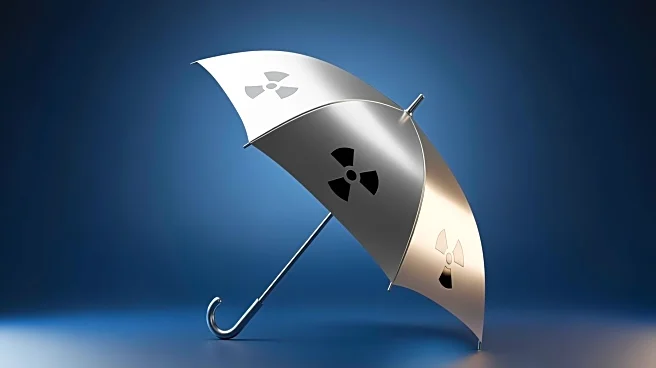
This development is significant as it reflects France's response to growing security concerns in Europe, particularly in light of tensions with the United States under President Trump. European leaders have expressed doubts about the reliability of the U.S. nuclear umbrella, which has traditionally assured NATO allies of protection. By enhancing its nuclear capabilities and engaging in strategic discussions with European partners, France aims to bolster its role as a key security player in Europe. This move could potentially shift the balance of nuclear deterrence in Europe, affecting both NATO dynamics and the broader geopolitical landscape.
What's Next?
The next steps involve continued discussions with European allies to finalize the arrangements for the deployment of nuclear-armed aircraft. These talks will likely focus on logistical and strategic details, ensuring that the deployment aligns with the security needs of the involved nations. Additionally, the increase in nuclear warheads will require adjustments in France's military infrastructure and strategy. European nations may also need to consider their own defense policies in response to this development, potentially leading to further collaborations or strategic shifts within NATO.
Beyond the Headlines
The decision to increase France's nuclear arsenal and deploy aircraft to allied nations raises ethical and strategic questions about nuclear proliferation and deterrence. It highlights the ongoing challenges of maintaining security in a multipolar world where traditional alliances are being re-evaluated. The move could also influence other nuclear powers to reassess their own strategies, potentially leading to an arms race or new diplomatic negotiations aimed at arms control. Furthermore, this development underscores the importance of France's role in European security, especially as the only EU member with nuclear capabilities.