
What's Happening?
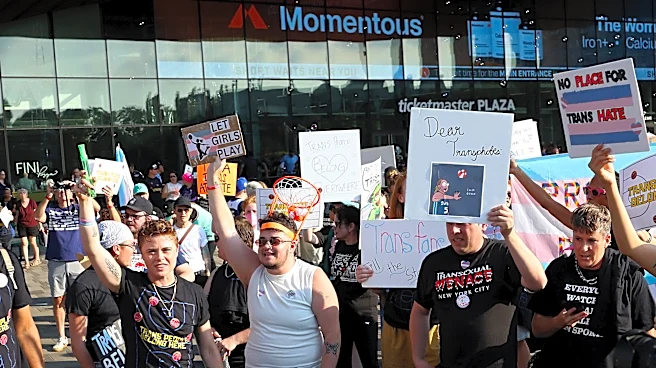
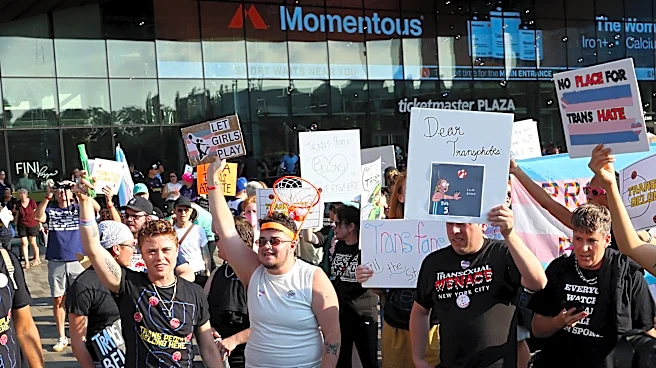
The Eugene Human Rights Commission, in collaboration with the Trans Awareness Week Planning Committee and several local organizations, is hosting a series of community events for Transgender Awareness Week.
These events aim to foster understanding and support for the transgender community. The week's activities include a panel discussion on trans allyship, featuring members of the Eugene trans community and an ally, who shared insights on meaningful allyship and navigating trans issues in the current political climate. Additionally, an educational panel on gender-affirming care is scheduled at The Lavender Network. A community gathering with art, crafts, games, and music will take place at the Farmers Market Pavilion. The week will culminate in a Transgender Day of Remembrance vigil on Friday, November 20, from 6 to 8:30 p.m. at the Farmers Market Pavilion. This vigil will honor individuals who have died due to anti-transgender violence, featuring a reading of names, music, spoken-word poetry, and a remembrance space. Collaborating organizations include TransPonder, Looking Glass Counseling Services, Fjord Counseling, The Lavender Network, Eugene PRIDE, the Unitarian Universalist Church of Eugene, and the City of Eugene’s Cultural Services Division and Office of Equity & Community Engagement.
Why It's Important?
These events are important for several reasons, primarily for their role in promoting inclusivity and support for the transgender community in Eugene. By hosting discussions on trans allyship and gender-affirming care, the Eugene Human Rights Commission and its partners are actively working to educate the public and reduce stigma. This initiative helps to create a more welcoming and understanding environment for transgender individuals, which can have a significant positive impact on their mental health and overall well-being. The Transgender Day of Remembrance vigil, in particular, serves as a crucial platform to acknowledge and mourn the lives lost to anti-transgender violence, raising awareness about the ongoing challenges and dangers faced by this community. Such public recognition can galvanize support for protective policies and foster a sense of solidarity among community members and allies. Furthermore, the collaboration between various local organizations demonstrates a unified effort to address human rights issues, setting a precedent for community-led initiatives in promoting diversity and equity.
What's Next?
The Transgender Awareness Week events are scheduled to conclude with the Transgender Day of Remembrance vigil on Friday, November 20. Following this, the impact of these events will likely be assessed through community feedback and participation. The ongoing partnerships between the Eugene Human Rights Commission and local organizations suggest a continued commitment to supporting the transgender community beyond this specific week. Future initiatives may include further educational programs, advocacy efforts for LGBTQ+ rights, and continued community-building activities. The discussions and awareness generated during this week could also influence local policy-making regarding gender-affirming care and anti-discrimination measures. The success of these collaborative efforts may serve as a model for other communities seeking to enhance support and understanding for their transgender residents.
Beyond the Headlines
The events organized by the Eugene Human Rights Commission delve into deeper societal implications beyond immediate awareness. They highlight the persistent need for education and advocacy regarding transgender rights and safety, especially in a political climate where these issues can be contentious. The focus on 'meaningful allyship' suggests a move beyond passive acceptance towards active support and understanding, which is crucial for fostering genuine inclusion. The remembrance vigil underscores the tragic reality of anti-transgender violence, bringing to light the ethical imperative to protect vulnerable populations and address systemic prejudices. Culturally, these events contribute to a broader shift in societal norms, challenging traditional gender binaries and promoting a more fluid and accepting understanding of identity. Legally, increased awareness and community support can create momentum for stronger protections and resources for transgender individuals, influencing local and potentially state-level policies related to healthcare, housing, and employment. This initiative reflects a growing commitment within communities to champion human rights and build a more equitable society.