
What's Happening?
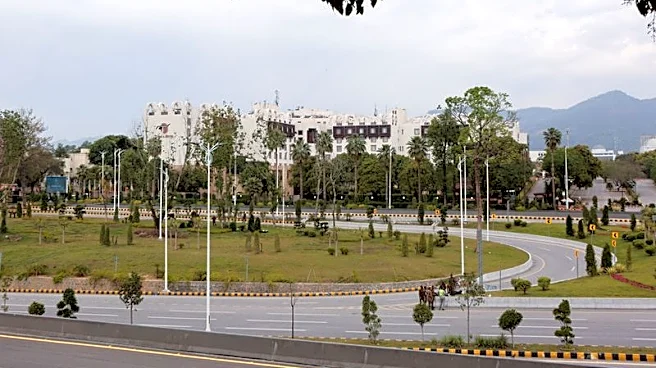
Iran's delegation has arrived in Pakistan ahead of crucial peace negotiations with the United States. The talks are described as 'make-or-break' and are expected to address significant diplomatic issues
between the two nations. The U.S. delegation will be led by Vice President JD Vance, while Iran's delegation is headed by parliamentary speaker Mohammad-Bagher Ghalibaf. These discussions are anticipated to focus on resolving longstanding tensions and potentially establishing a framework for future cooperation. The arrival of the Iranian delegation marks a significant step in diplomatic efforts aimed at easing hostilities and fostering dialogue.
Why It's Important?
The peace negotiations between Iran and the United States hold substantial implications for international relations and regional stability. Successful talks could lead to a reduction in tensions and pave the way for improved diplomatic relations, which may influence global geopolitical dynamics. For the U.S., engaging in dialogue with Iran could open avenues for addressing nuclear proliferation concerns and regional security issues. Conversely, failure to reach an agreement could exacerbate existing conflicts and contribute to instability in the Middle East. The outcome of these talks is crucial for both nations and could impact their foreign policy strategies moving forward.
What's Next?
As the negotiations commence, both delegations are expected to engage in intensive discussions to address key issues. The international community will be closely monitoring the talks, with potential reactions from other global powers depending on the outcomes. Should the negotiations prove successful, further diplomatic engagements and agreements may follow, potentially leading to a shift in regional alliances and strategies. Conversely, if the talks falter, it could lead to increased tensions and necessitate alternative diplomatic or strategic approaches by both countries.