





What's Happening?
South Carolina's aggressive conservation efforts are drawing increased attention and some opposition as the U.S. Fish and Wildlife Service (FWS) proposes significant expansions to national wildlife refuge acquisition boundaries along the state's coast.
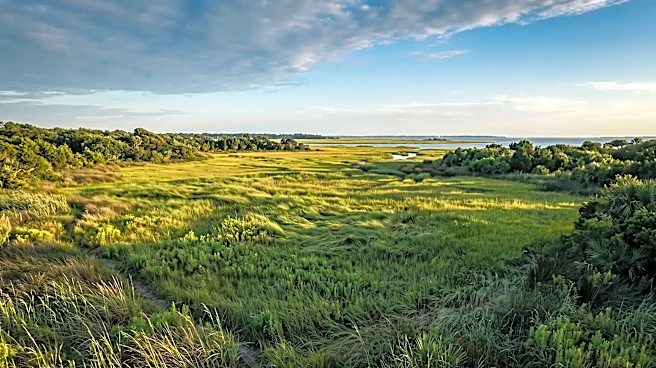
With the blessing of Governor Henry McMaster, the South Carolina legislature has set a statutory goal to preserve 7 million acres by 2050, approximately one-third of the state's land, while Governor McMaster himself aims for 10 million acres. The FWS proposal seeks to add up to 300,000 acres to the existing 120,000-acre South Carolina Lowcountry Refuges Complex and an additional 150,000 to 200,000 acres to the Savannah Coastal Refuges Complex. This expansion is intended to conserve resilient coastal lands, protect migratory birds and endangered species, and provide public access for recreation. However, concerns are emerging from various groups, including sportsmen and private property owners, regarding the necessity of additional federal management, potential restrictions on public access, and the impact on property rights and values. Critics question the transparency of the FWS proposals and whether existing state and private conservation efforts are insufficient to warrant such extensive federal control.
Why It's Important?
The escalating conservation movement in South Carolina, particularly with the proposed federal wildlife refuge expansions, carries significant implications for property rights, economic development, and the balance of power between state and federal land management. The state's ambitious goal to place millions of acres under permanent conservation restrictions, coupled with federal expansion plans, could lead to a substantial portion of South Carolina's land being subject to conservation easements or federal control. This raises concerns among private landowners about potential devaluation of their property, increased regulatory burdens, and limitations on land use, even if the FWS states it works with willing sellers. The debate also highlights a potential conflict between conservation objectives and the rights of property owners, as well as the economic impact on local communities where land development might be curtailed. Furthermore, the emerging opposition from traditional conservation allies, such as hunters and anglers, suggests a growing sentiment that conservation efforts might be overreaching, potentially leading to a re-evaluation of the scale and methods of land preservation in the state.
What's Next?
The U.S. Fish and Wildlife Service's proposed expansion of national wildlife refuge boundaries will proceed through a public comment and review process, during which concerns from landowners, sportsmen, and other stakeholders will be considered. The outcome of this process will determine the final scope of the federal acquisition boundaries. Concurrently, South Carolina will see a change in gubernatorial leadership, with Attorney General Alan Wilson succeeding Governor Henry McMaster. Wilson has expressed a more nuanced view on conservation, emphasizing responsible practices, respect for private property rights, and voluntary conservation, rather than solely focusing on acreage targets. His past involvement in property-rights lawsuits challenging federal environmental regulations suggests a potential shift in the state's approach to conservation policy. This change in leadership could lead to a re-evaluation of the state's ambitious conservation goals and a more critical stance on federal land expansion, potentially altering the trajectory of South Carolina's conservation movement.
Beyond the Headlines
The ongoing debate in South Carolina over conservation and federal land expansion touches upon fundamental questions of governance, individual liberty, and environmental stewardship. The tension between preserving natural habitats and protecting private property rights is a recurring theme in U.S. land policy, and South Carolina's situation exemplifies this complex dynamic. The scale of proposed land restrictions raises ethical questions about the extent to which the state and federal governments can dictate land use for environmental purposes, and whether such actions adequately compensate or consider the impact on private citizens. Culturally, it reflects a potential shift in public opinion, where even those traditionally supportive of conservation may begin to question the methods and scope of such initiatives when they impinge on local economies and individual freedoms. This could lead to broader legal challenges regarding eminent domain, regulatory takings, and the interpretation of environmental protection laws, potentially setting precedents for similar conflicts in other states facing rapid development and conservation pressures.