



What's Happening?
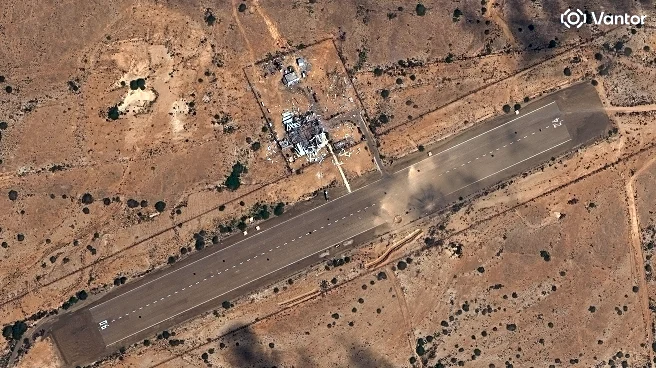
The International Atomic Energy Agency (IAEA) has reported that there is no damage to facilities containing nuclear material in Iran following recent Israeli and US military strikes. The strikes targeted multiple Iranian nuclear facilities, including
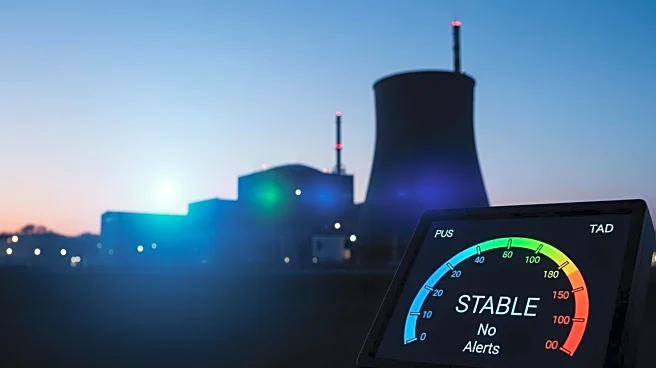
sites near Isfahan and Natanz. Despite visible damage to two buildings near the Isfahan nuclear site, the IAEA confirmed that there is no risk of radiological release at this time. The Israeli Defense Forces (IDF) claimed to have destroyed a secret Iranian nuclear weapons development site known as Min Zadai. The Russian Foreign Ministry has expressed concerns about the potential risks to Iran's Bushehr nuclear power plant due to the ongoing military operations.
Why It's Important?
The IAEA's assurance of no radiological risk is significant in maintaining regional stability and preventing further escalation of tensions. The strikes highlight ongoing geopolitical tensions involving Iran, Israel, and the US, with potential implications for international nuclear non-proliferation efforts. The situation underscores the delicate balance of power in the Middle East and the challenges faced by international bodies like the IAEA in monitoring nuclear activities amidst military conflicts. The Russian warning about the Bushehr plant adds another layer of complexity, potentially affecting diplomatic relations and international security dynamics.
What's Next?
The IAEA is expected to continue monitoring the situation closely to ensure no further risks arise. Diplomatic efforts may intensify to address the underlying tensions and prevent further military escalations. The international community, including the United Nations, may seek to mediate and facilitate dialogue between the involved parties to de-escalate the situation. The potential for retaliatory actions by Iran or further military operations by Israel and the US remains a concern, which could impact global oil markets and regional security.