






What's Happening?
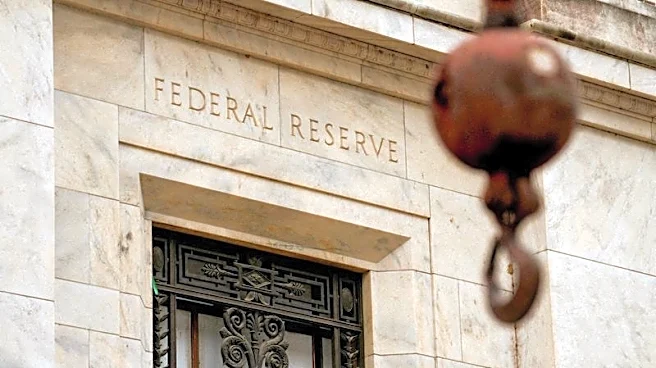
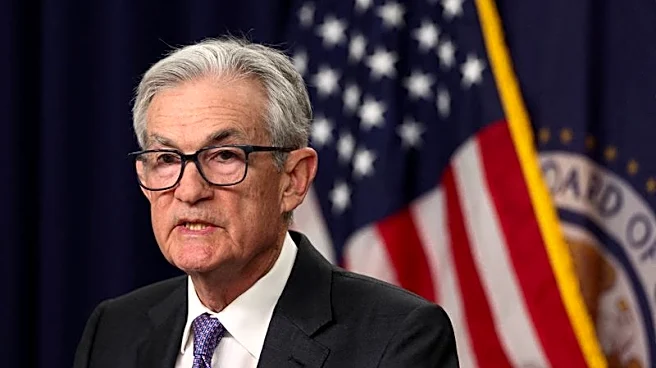
Claudia Sahm, chief economist at New Century Advisors and former Federal Reserve economist, discussed the challenges Federal Reserve Chairman Jerome Powell faces in maintaining the central bank's independence amid political pressures from the White House.
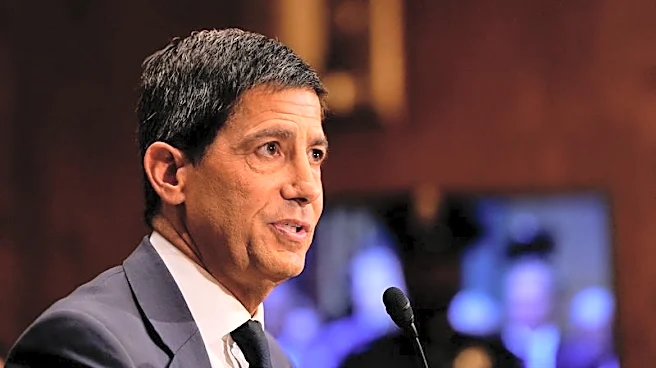
Powell has announced his intention to remain on the board, despite internal dissent regarding interest rate decisions. The incoming chairman, Kevin Warsh, is expected to influence the policy path, potentially altering the current trajectory. Sahm highlighted the divided opinions within the Federal Reserve, which could impact future monetary policy decisions.
Why It's Important?
The independence of the Federal Reserve is crucial for maintaining economic stability and avoiding politically motivated monetary policies. Powell's efforts to uphold this independence are significant as they ensure that interest rate decisions are based on economic data rather than political agendas. The potential influence of Kevin Warsh, known for his different monetary policy views, could lead to shifts in the Federal Reserve's approach, affecting financial markets and economic growth. Stakeholders, including investors and policymakers, are closely monitoring these developments, as changes in monetary policy can have widespread implications for the U.S. economy.
What's Next?
As Powell continues to navigate the challenges of maintaining the Federal Reserve's independence, the focus will be on how the central bank balances internal dissent and external pressures. The transition to Kevin Warsh as chairman may bring changes in policy direction, particularly regarding interest rates and the balance sheet. Market participants and policymakers will be watching for any signals of policy shifts that could impact economic growth and financial stability. The Federal Reserve's upcoming meetings and statements will be critical in providing insights into the future direction of U.S. monetary policy.