







What's Happening?
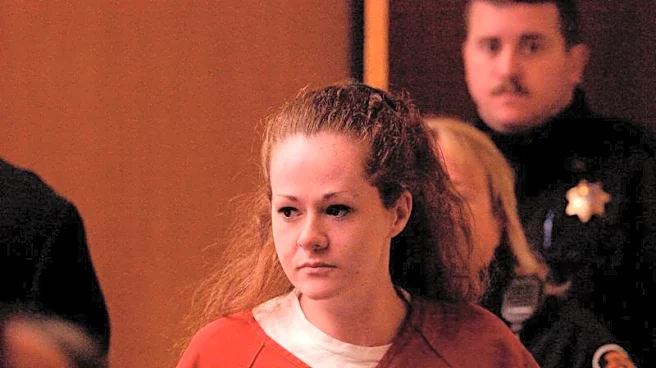
On October 23, 2026, Laura Michelle Owens received a sentence in Maricopa County Superior Court. This sentencing followed her guilty plea to four felony offenses. These charges are directly linked to cases involving Clayton Echard and Gregory Gillespie.
The court's decision includes immediate jail time for Owens, along with an additional deferred jail term. Furthermore, the sentence mandates supervised probation, provisions for mental health screening, and extensive restrictions on computer and internet usage. The specifics of these restrictions and the full scope of the mental health provisions are part of the court's order, aiming to address the nature of her offenses and prevent future occurrences. This legal action concludes a significant chapter in the cases she was involved in, marking a formal resolution through the judicial system.
Why It's Important?
This sentencing is important as it underscores the legal system's response to felony offenses, particularly those that may involve complex personal and legal entanglements as suggested by the 'Clayton Echard and Gregory Gillespie cases' context. The imposition of immediate jail time, deferred jail terms, and supervised probation highlights the severity with which the court views these offenses. The inclusion of mental health screening provisions indicates a recognition of potential underlying issues that may have contributed to the crimes, aiming for rehabilitation alongside punishment. Extensive computer and internet restrictions are particularly significant in an era where digital platforms can be central to various types of offenses, suggesting that the felonies might have involved online activities or digital manipulation. This case sets a precedent for how similar future cases might be handled within the Maricopa County Superior Court, impacting individuals involved in comparable situations.
What's Next?
Following the sentencing, Laura Michelle Owens will begin serving her immediate jail time. The deferred jail term will remain a future consequence, contingent on her adherence to the terms of her supervised probation. Her participation in mental health screening will lead to potential treatment or counseling, which will be a critical component of her rehabilitation and reintegration into society. The extensive computer and internet restrictions will require strict compliance, with any violations potentially leading to further legal repercussions, including the activation of her deferred jail term. The outcomes of her probation and mental health interventions will be closely monitored by the court and probation officers, determining the long-term impact of this sentencing on her life and the community.
Beyond the Headlines
The case of Laura Michelle Owens, particularly with its connection to the Clayton Echard and Gregory Gillespie cases, hints at deeper societal implications regarding personal relationships, public figures, and the potential for legal disputes arising from them. While the source does not detail the nature of these cases, the felony charges and the specific sentencing components—especially computer restrictions and mental health provisions—suggest issues that could involve identity, reputation, or financial fraud. This situation could prompt broader discussions on the vulnerabilities individuals face in the digital age, the ethical responsibilities in personal and public interactions, and the role of the justice system in addressing complex interpersonal conflicts that escalate to criminal offenses. The emphasis on mental health also highlights a growing recognition within the legal system of the importance of addressing psychological factors in criminal behavior.