


What's Happening?
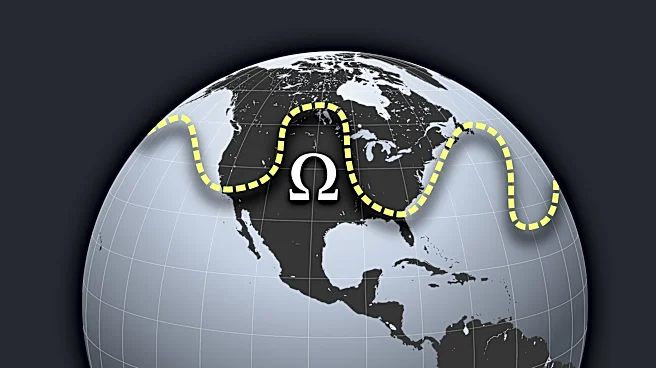
A significant atmospheric pattern known as an 'omega block' is currently affecting weather across the United States, creating a mix of heat, storms, and persistent conditions. This pattern, named for its resemblance to the Greek letter Ω, occurs when
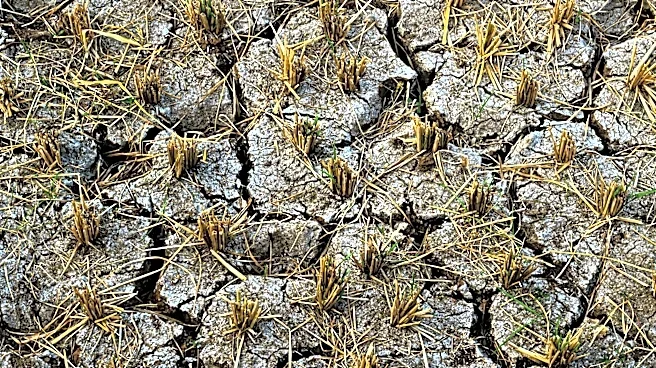
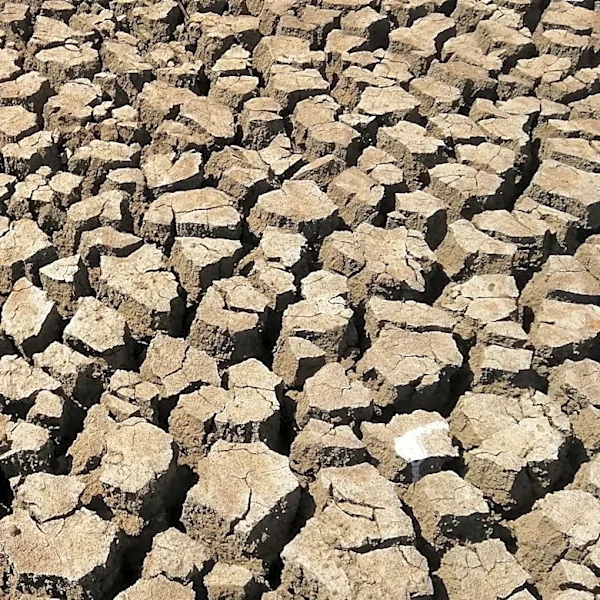
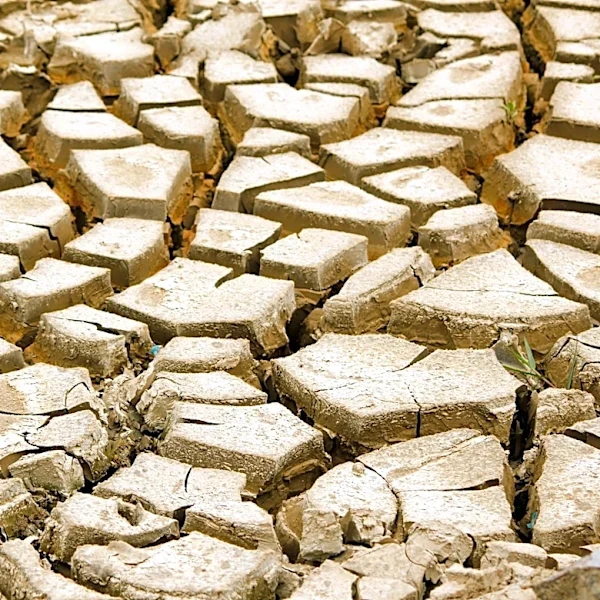
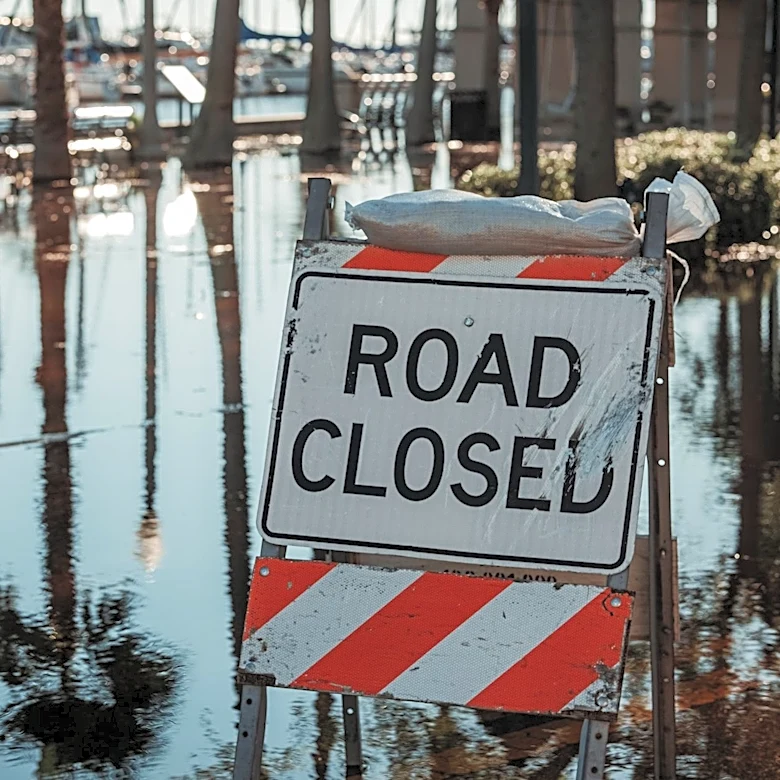
a strong high-pressure system is sandwiched between two low-pressure systems, disrupting the usual west-to-east flow of the jet stream. As a result, weather systems become stationary, leading to prolonged weather conditions in various regions. The central U.S. is experiencing heat and dry conditions, the South and Southeast are facing storms and potential flooding, the East Coast is seeing cooler, unsettled weather, and the West Coast is dealing with wet and stormy conditions.
Why It's Important?
The omega block's impact on U.S. weather has significant implications for agriculture, energy consumption, and public safety. Prolonged heat and dry conditions in the central U.S. can exacerbate drought conditions, affecting crop yields and water resources. In the South, persistent storms increase the risk of flooding, which can damage infrastructure and homes. The cooler, unsettled weather in the East may affect outdoor activities and energy usage, while the wet conditions in the West could lead to landslides and other hazards. Understanding and predicting these patterns are crucial for mitigating their effects on society and the economy.
What's Next?
Meteorologists will continue to monitor the omega block pattern to predict its duration and potential changes. Public advisories and warnings will likely be issued to help communities prepare for the ongoing weather conditions. Long-term, this pattern may prompt discussions on climate adaptation strategies, as such atmospheric blocks could become more frequent with changing climate conditions.