





What's Happening?
Zambia is making significant strides in increasing its electricity generation capacity, with a strong focus on solar energy. The country has faced challenges due to prolonged droughts affecting its hydroelectric power generation, leading to severe loadshedding.
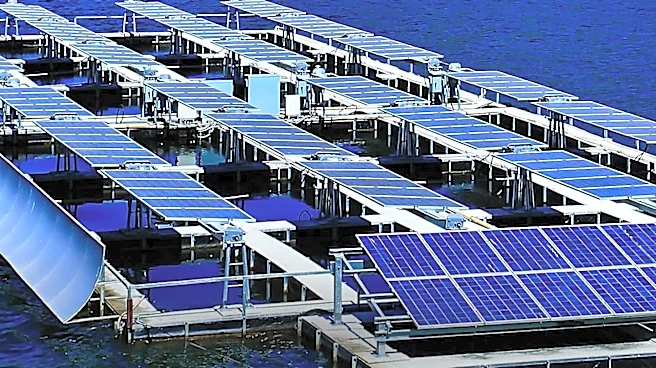
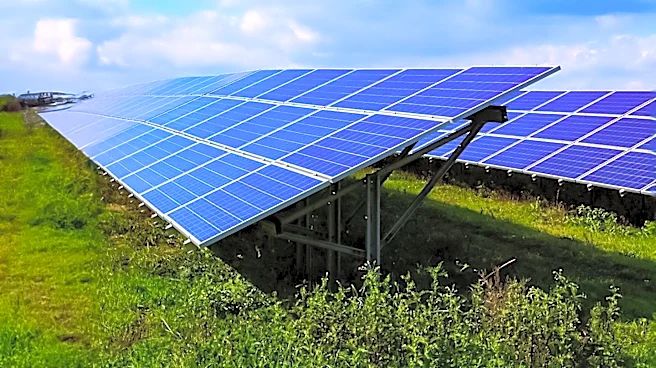
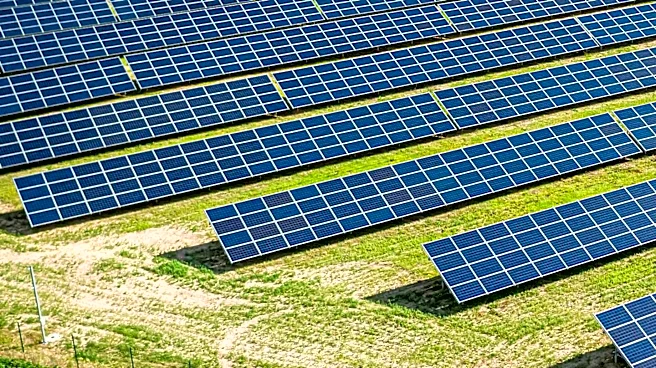
In response, Zambia has rapidly deployed utility-scale solar plants, adding 500 MW of new capacity over the past three years. The government aims to increase the country's total generation capacity to 10,000 MW by 2031, with solar energy playing a crucial role. Key projects include the expansion of the Chisamba solar plant and the introduction of net metering programs to enhance electricity access.
Why It's Important?
Zambia's efforts to diversify its energy mix and reduce reliance on hydroelectric power are crucial for ensuring energy security and supporting economic growth. The expansion of solar capacity not only addresses the immediate electricity deficit but also positions Zambia as a leader in renewable energy in the region. By increasing electricity access, particularly in rural areas, the country can drive industrialization and improve living standards. The government's commitment to renewable energy also aligns with global efforts to combat climate change and reduce carbon emissions.
What's Next?
Zambia plans to continue its rapid deployment of solar energy projects, with a target of reaching 1,000 MW of solar capacity by the end of 2026. The government is also implementing reforms to facilitate electricity access and support local economic development. As Zambia progresses towards its 2031 goal, it may attract further investment from international partners and private sector players. The success of these initiatives could serve as a model for other countries in the region facing similar energy challenges.