






What's Happening?
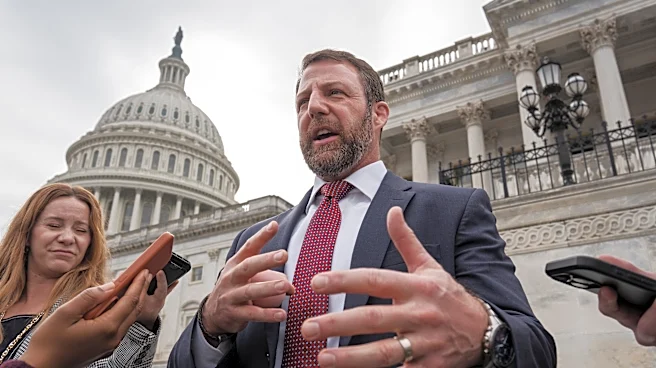
As the United States enters its peak severe weather season, experts are calling for a reevaluation of the term 'natural disaster.' The argument, presented by Marshall Shepherd and supported by the United Nations Office for Disaster Risk Reduction, suggests
that disasters are not solely natural occurrences but are significantly influenced by human factors. The term 'natural disaster' is considered misleading because it overlooks the socio-economic vulnerabilities and human activities that exacerbate the impact of natural hazards like hurricanes and tornadoes. The discussion highlights how human decisions, such as building in flood-prone areas or inadequate infrastructure, can transform natural hazards into disasters. This perspective is gaining traction as the effects of past hurricanes, like Hurricane Helene, continue to impact communities in the southeastern U.S.
Why It's Important?
Reframing the concept of natural disasters to include human influence is crucial for developing more effective disaster preparedness and response strategies. Recognizing the role of socio-economic factors and human activities in disaster risk can lead to more resilient infrastructure and communities. This approach encourages proactive planning and adaptation, which are essential in mitigating the impacts of climate change and increasing weather extremes. By understanding that disasters are not purely natural, policymakers and stakeholders can implement measures that address the root causes of vulnerability, potentially saving lives and reducing economic losses.
What's Next?
The shift in perspective towards understanding disasters as a combination of natural hazards and human factors may lead to changes in policy and planning. Governments and organizations might prioritize investments in resilient infrastructure and community preparedness programs. Additionally, there could be increased emphasis on sustainable development practices that consider the long-term impacts of human activities on disaster risk. This approach may also influence educational programs and public awareness campaigns, fostering a more informed and proactive society in the face of natural hazards.
Beyond the Headlines
The debate over the term 'natural disaster' also touches on ethical and cultural dimensions. It challenges societies to reflect on historical land use decisions and socio-economic inequalities that contribute to disaster vulnerability. This perspective encourages a more holistic view of disaster management, integrating social justice and environmental sustainability into the conversation. By acknowledging the human role in disasters, there is potential for more equitable and inclusive policies that address the needs of the most vulnerable populations.