






What's Happening?
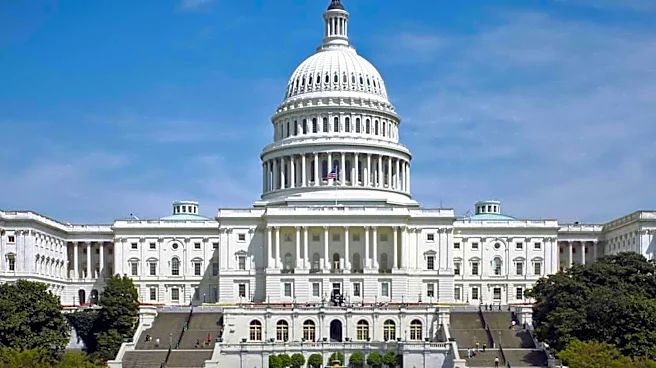
The U.S. Congress is grappling with a significant decision regarding a proposed civilian nuclear agreement with Saudi Arabia. This deal, which has been preliminarily approved by the Trump administration, would allow Saudi Arabia to enrich uranium domestically.
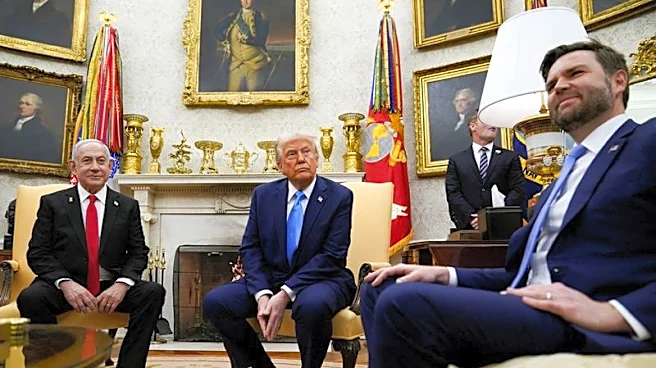
However, the agreement does not require Saudi Arabia to adhere to the International Atomic Energy Agency's Additional Protocol, which would enable more stringent inspections. The deal is currently awaiting President Trump's signature before it can be presented to Congress for approval. The situation is further complicated by the recent death of Senator Lindsey Graham, who was a key advocate for the agreement and its integration into a broader regional diplomatic initiative. This initiative aimed to include Saudi Arabia in the India-Middle East-Europe Economic Corridor (IMEC) and sought normalization with Israel. However, Israeli Prime Minister Benjamin Netanyahu rejected a proposal that could have led to a historic agreement involving a ceasefire and a pathway to a Palestinian state.
Why It's Important?
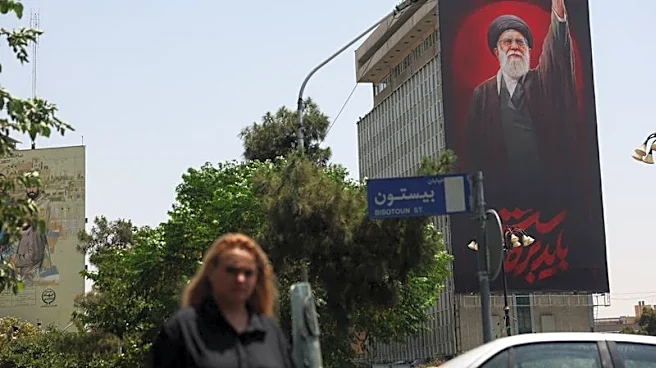
The potential approval of this nuclear agreement with Saudi Arabia holds significant implications for U.S. foreign policy and regional stability in the Middle East. If approved, it could alter the balance of power in the region, particularly concerning Iran, which is seen as a strategic adversary. The deal's approval could also impact U.S.-Israel relations, as Israel was excluded from the immediate framework of the agreement. The broader regional initiative, which included economic and technological integration, could have strengthened ties between the U.S., Saudi Arabia, and Israel, potentially leading to greater regional stability. However, the absence of Senator Graham, a key proponent of the deal, raises questions about the agreement's future and the ability to secure the necessary congressional support.
What's Next?
The White House faces a critical decision on whether to proceed with the agreement amid congressional skepticism. Without Senator Graham's influence, the administration may struggle to secure the two-thirds Senate majority needed for ratification. The ongoing conflict with Iran and the lack of a broader regional diplomatic framework further complicate the situation. The administration must decide whether to confront Congress directly or reconsider the agreement's terms to align with broader regional goals. The outcome will likely influence U.S. relations with both Saudi Arabia and Israel and could impact the strategic landscape in the Middle East.
Beyond the Headlines
The proposed nuclear agreement with Saudi Arabia raises ethical and security concerns, particularly regarding nuclear proliferation in a volatile region. The lack of stringent inspection requirements could set a precedent for other countries seeking similar capabilities. Additionally, the exclusion of Israel from the broader regional initiative highlights the complexities of Middle Eastern diplomacy and the challenges of balancing competing interests. The situation underscores the importance of comprehensive diplomatic strategies that consider long-term regional stability and security.