



What's Happening?
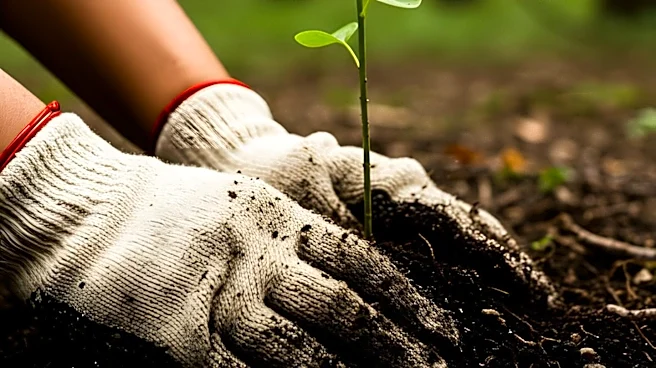
President Kais Saied visited the Siliana governorate on Sunday for National Tree Day, celebrated this year under the slogan 'Today’s tree is tomorrow’s forest.' During his visit to the Ain Nchem area, within the Bargou delegation, President Saied oversaw
the planting of several trees. He also engaged with local residents, listening to their social and development concerns. Key issues raised by the community included the damage caused by recent forest fires in Jebel Bargou and persistent problems with drinking water supply. The President took the opportunity to recall the historical significance of Jebel Bargou, which was the site of national resistance battles against French colonialism from November 8 to 13, 1954, known as the 'last hour’s quarter of an hour' battle. Extensive forest fires had affected the region in late August and early September 2026, ravaging over two thousand hectares of forest cover, primarily Aleppo pines and olive trees, though no casualties were reported.
Why It's Important?
President Saied's visit to Siliana for National Tree Day underscores the government's commitment to environmental restoration and community engagement. The act of planting trees is a symbolic gesture towards rebuilding areas devastated by recent forest fires, which had a significant ecological and economic impact on the region. By directly addressing the concerns of Bargou residents, particularly regarding water supply and fire damage, the President demonstrates a focus on local issues and the well-being of rural communities. This direct interaction can help build trust between the government and its citizens, ensuring that local needs are heard and potentially acted upon. Furthermore, recalling the historical significance of Jebel Bargou serves to connect current environmental efforts with national heritage and resilience, fostering a sense of collective responsibility and pride in the region's recovery.
What's Next?
Following President Saied's visit, it is anticipated that the government will prioritize addressing the concerns raised by the residents of Bargou. This could include initiatives to improve drinking water infrastructure and develop strategies for preventing and managing future forest fires. The focus on reforestation efforts, symbolized by the tree planting, is likely to continue, with potential for broader national campaigns to restore damaged ecosystems. The President's engagement with local communities may also lead to increased governmental support for development projects in the Siliana governorate, aiming to enhance living conditions and economic opportunities. The historical context invoked by the President could also inspire educational programs or commemorative events to honor the region's role in national resistance, further integrating local history into the national narrative.
Beyond the Headlines
President Saied's visit to Siliana for National Tree Day, while seemingly a local event, carries broader implications for national policy and governance. The emphasis on environmental recovery and community concerns highlights a shift towards more localized and responsive governance, potentially moving away from centralized decision-making. The act of planting trees, beyond its ecological benefits, can be seen as a metaphor for rebuilding and nurturing the nation, both physically and socially. By connecting current challenges with historical struggles, the President aims to instill a sense of national unity and purpose, drawing on past resilience to tackle contemporary issues. This approach could foster greater civic participation and a stronger sense of collective ownership over national development and environmental protection. However, the long-term success of these initiatives will depend on sustained governmental commitment and effective implementation at the local level.