





What's Happening?
Russia's Federal Security Service (FSB) has announced plans to abolish border zones between Russian regions and Ukrainian territories occupied by Russia, including Crimea. The changes will affect Russia's Rostov and Voronezh regions and temporarily occupied Crimea. The FSB has prepared
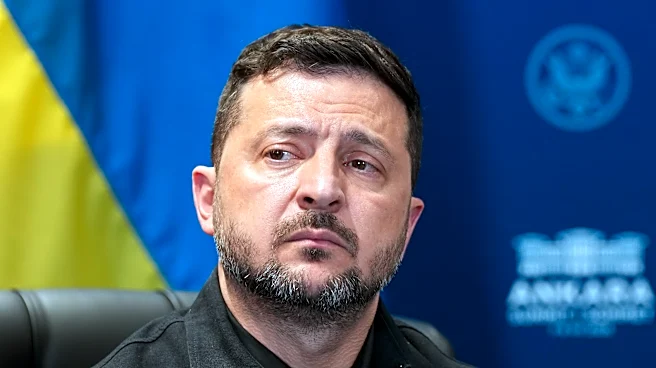
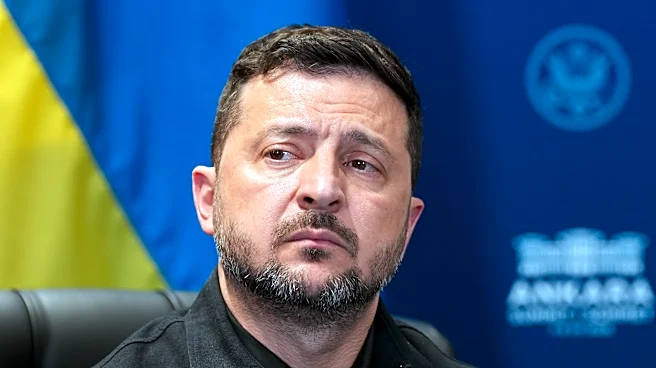
draft orders to invalidate existing border zone regulations, claiming the occupied territories have been incorporated into the Russian Federation. In Crimea, a border regime will be retained within the boundaries of the Black Sea islands. Ukrainian President Volodymyr Zelenskyy has rejected any settlement requiring Ukrainian forces to withdraw from Ukrainian territory, emphasizing the country's sovereignty and territorial integrity.
Why It's Important?
The move to abolish border zones reflects Russia's ongoing efforts to solidify its control over occupied Ukrainian territories, challenging international norms and Ukraine's sovereignty. This development could further complicate diplomatic relations and peace negotiations between Russia and Ukraine. The decision may also impact regional security dynamics, as it signifies Russia's intent to integrate these territories more fully into its administrative framework. Ukraine's firm stance against ceding territory underscores the persistent geopolitical tensions and the potential for continued conflict in the region.
What's Next?
The proposed changes may lead to increased tensions between Russia and Ukraine, with potential implications for regional stability. Ukraine is likely to continue its military and diplomatic efforts to reclaim occupied territories, while Russia may face international criticism and potential sanctions. The international community will be closely monitoring the situation, as it could affect broader geopolitical dynamics in Eastern Europe. The outcome of this development will depend on the responses of key stakeholders, including Ukraine, Russia, and international actors involved in the conflict.