



What's Happening?
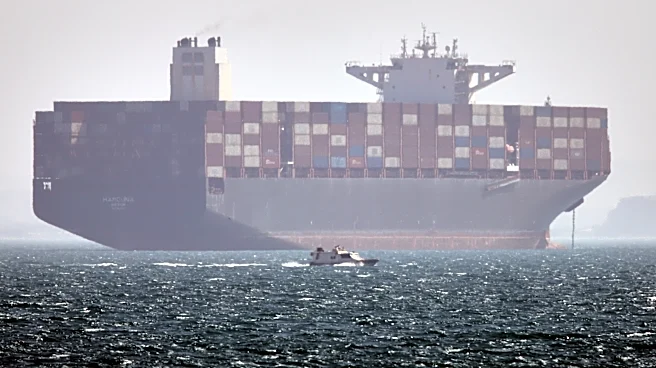
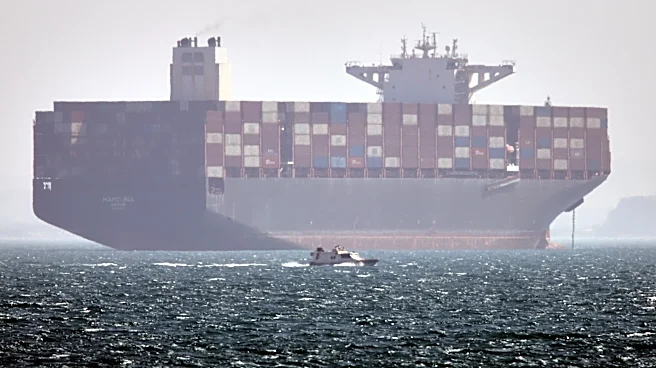
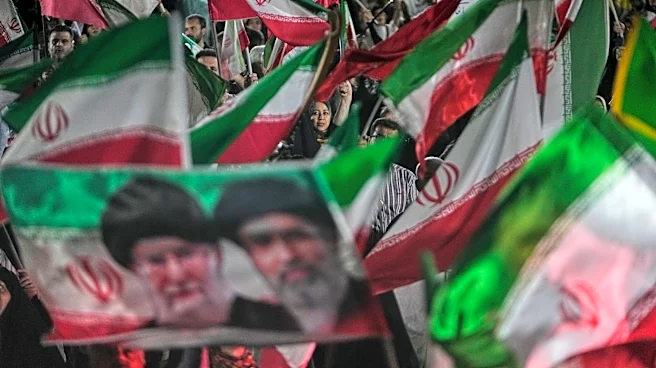
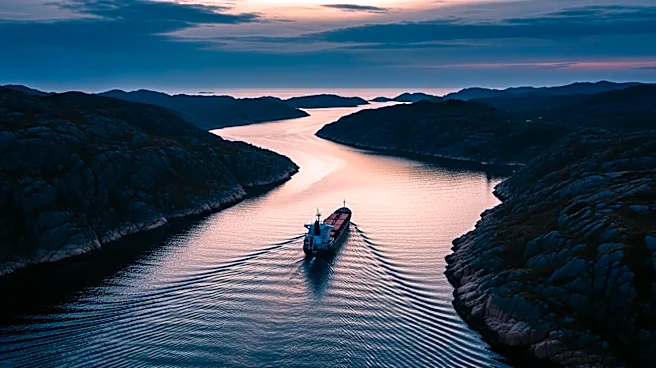
Negotiations for a peace agreement with Iran are ongoing, with the potential to extend a ceasefire and open the Strait of Hormuz. The discussions are part of broader efforts to stabilize the region and ensure the free flow of oil through one of the world's
most critical maritime chokepoints. The Strait of Hormuz is a vital passage for global oil shipments, and its accessibility is crucial for international trade. The current talks aim to address longstanding tensions and promote regional security, although the outcome remains uncertain.
Why It's Important?
The potential peace agreement with Iran is significant for global energy markets and geopolitical stability. The Strait of Hormuz is a strategic waterway through which a substantial portion of the world's oil supply is transported. Any disruption in this area can lead to significant fluctuations in oil prices, affecting economies worldwide. A successful agreement could reduce the risk of conflict in the region, ensuring the stability of oil supplies and contributing to global economic stability. Additionally, it could pave the way for improved diplomatic relations between Iran and other countries, fostering a more cooperative international environment.
What's Next?
If the peace agreement is reached, it could lead to a formal extension of the ceasefire and increased security in the Strait of Hormuz. This would likely involve further diplomatic engagements and possibly the involvement of international organizations to monitor compliance. Stakeholders, including oil companies and governments, will be closely watching the developments, as the agreement could impact energy policies and economic strategies. The international community may also play a role in supporting the implementation of the agreement and ensuring its success.