





What's Happening?
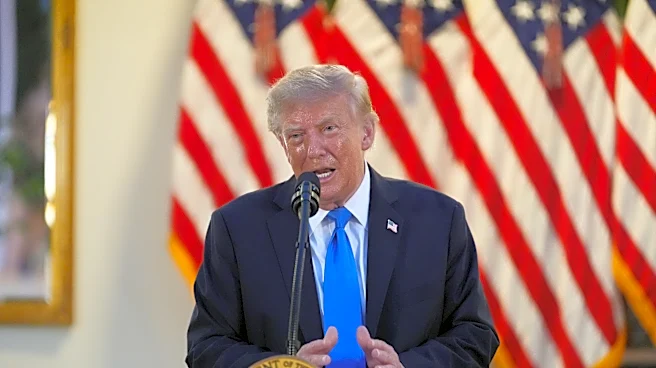
The Trump administration has implemented tariffs of up to 100% on imported drones and their critical components, effective September 3. This action is part of a broader strategy to reduce U.S. reliance on foreign-made drones, particularly those from China,
and to strengthen the domestic supply chain. The tariffs were enacted 21 days after President Trump signed the measure on August 13, with U.S. Customs and Border Protection (CBP) subsequently issuing detailed guidance on filing procedures and rates. The proclamation categorizes drones by capability, with the highest 100% rate applying to unmanned aircraft exceeding 55 pounds (25kg), drones equipped with thermal imaging and docking stations, and specific critical components such as static converters, airframe components, and electronic control boards. The White House has designated these categories as 'particularly sensitive for national security purposes.' A 25% tariff applies to smaller drones without these advanced capabilities and other components. While these tariffs apply to imports regardless of their country of origin, they disproportionately impact China, which is home to DJI, a company that commands over two-thirds of the global drone market and supplies a significant portion of drones sold in the U.S.
Why It's Important?
These tariffs represent a significant escalation in the U.S. government's efforts to secure its supply chains and address national security concerns related to foreign technology. By imposing substantial duties on imported drones and components, the administration aims to create a more favorable environment for domestic manufacturers, thereby reducing dependence on countries like China. This move could lead to a restructuring of the U.S. drone market, potentially increasing prices for consumers and businesses that rely on imported drones, but also fostering growth and innovation within the American drone industry. The emphasis on national security underscores the strategic importance of drone technology, which has applications ranging from military and surveillance to commercial delivery and infrastructure inspection. The tariffs also highlight the ongoing trade tensions between the U.S. and China, with technology and national security becoming central battlegrounds. The policy could also influence global manufacturing and sourcing decisions, as companies may seek to relocate production or diversify their supply chains to avoid these tariffs.
What's Next?
The tariffs on finished aircraft, docking stations, and the most sensitive components took effect on September 3. For a second group of lower-priority components, primarily for smaller consumer and commercial drones, the 25% tariff will be phased in, taking effect on February 9, 2027. This 180-day grace period is intended to allow importers time to adjust their sourcing strategies. The tariffs are part of a broader federal initiative, which includes actions by the Federal Communications Commission (FCC). In December 2025, the FCC added all foreign-made drones and their critical components to its Covered List, blocking new models from receiving authorization for domestic sale. The agency also recently moved to retroactively ban previously cleared 'military-grade' models, with the public comment period for this proposal closing just before the tariffs took effect. If the FCC's retroactive ban is passed, many items affected by the tariffs would be automatically prohibited from sale. Conversely, even if the proposal fails, the tariffs will continue to exert significant pressure on the market. The administration has also paired these duties with incentives to rebuild a domestic supply chain, leading to increased investment in U.S. drone manufacturers like Skydio.
Beyond the Headlines
The implementation of these tariffs extends beyond immediate economic impacts, touching upon deeper ethical and political considerations. The move has drawn scrutiny regarding potential conflicts of interest, particularly concerning President Trump's family. Donald Trump Jr. has been on the advisory board of Florida-based drone-parts maker Unusual Machines since November 2024 and holds a substantial stake in the company. Following the tariff announcement, the company's shares saw a sharp increase. Government-ethics groups have flagged this arrangement as at least the appearance of a conflict, raising questions about the transparency and fairness of policy decisions that could directly benefit individuals associated with the administration. This situation highlights the ongoing debate about the intersection of personal financial interests and public policy, especially in high-stakes sectors like national security and technology. The tariffs also reflect a broader trend of governments using economic tools to achieve strategic geopolitical objectives, potentially leading to a more fragmented global technology market and increased protectionism.