






What's Happening?
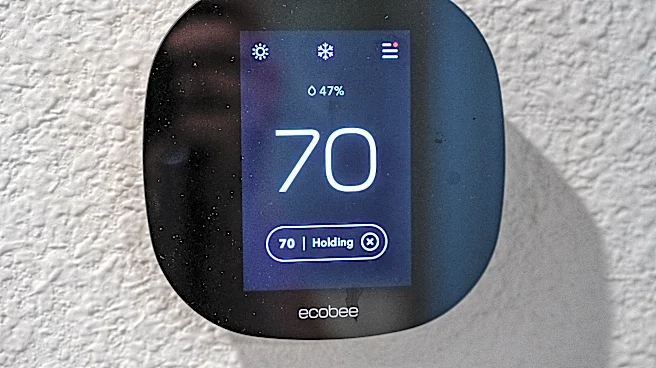
Smart thermostats are increasingly being adopted in Panama City, Florida, to provide homeowners with more personalized comfort and better insights into energy usage. These devices, such as those offered by GHome, allow for multi-room temperature control
through remote sensors, enabling users to prioritize heating or cooling in occupied areas. While smart thermostats can make daily adjustments easier and help identify potential HVAC issues sooner, their effectiveness is significantly tied to the overall HVAC system's condition, including ductwork, equipment, and control settings. For instance, a remote sensor in a bedroom can improve overnight temperature control, but it cannot create zoning or increase airflow to a room if the underlying ductwork is insufficient. Compatibility with existing HVAC systems, especially heat pumps, furnaces, and ductless mini-splits, is crucial, as incorrect configurations can lead to poor performance or unnecessary energy consumption. Homeowners are advised to consider a comprehensive HVAC plan before solely relying on a new smart thermostat for comfort improvements.
Why It's Important?
The integration of smart thermostats into U.S. homes, particularly in regions like Panama City with demanding climate conditions, signifies a shift towards more intelligent and efficient home management. These devices offer the potential for significant energy savings by allowing precise control over heating and cooling, preventing the unnecessary conditioning of unoccupied spaces. This is particularly relevant in areas with high humidity, where managing moisture alongside temperature is critical for comfort and preventing issues like mold. For homeowners, the ability to track energy usage and receive alerts about potential HVAC failures can lead to proactive maintenance, extending the lifespan of equipment and reducing costly emergency repairs. However, the effectiveness of these technologies hinges on proper installation and compatibility with existing systems, highlighting the importance of professional HVAC assessments to ensure optimal performance and avoid unintended consequences, such as increased energy bills due to misconfigured settings.
What's Next?
The future of smart thermostats will likely involve continued advancements in their ability to integrate with broader smart home ecosystems and provide more sophisticated diagnostics. Manufacturers are expected to enhance features like predictive maintenance alerts, offering more detailed insights into system health and potential issues with components like heat pumps or air-conditioning compressors. There will also be a focus on improving user interfaces and simplifying installation processes, potentially through more universal compatibility standards or advanced C-wire adapters. As energy costs remain a concern, the emphasis on energy-saving features and detailed energy consumption reports will grow, empowering homeowners to make more informed decisions about their energy use. Furthermore, the development of smart thermostats that can more effectively manage humidity in conjunction with temperature will be crucial for comfort in humid climates.
Beyond the Headlines
Beyond their immediate utility, smart thermostats represent a broader trend towards automation and data-driven decision-making in residential environments. The data collected by these devices on energy consumption and indoor climate patterns can offer valuable insights for utility companies, urban planners, and researchers studying energy efficiency and climate change impacts. Ethically, the collection of this data raises questions about privacy and data security, as detailed information about household occupancy and routines could be vulnerable. Legally, as these devices become more integral to home infrastructure, regulations regarding their interoperability, data handling, and energy performance standards may evolve. Culturally, the adoption of smart thermostats reflects a growing consumer expectation for convenience, control, and sustainability in their living spaces, pushing the boundaries of what constitutes a 'comfortable' and 'efficient' home in the 21st century.