






What's Happening?
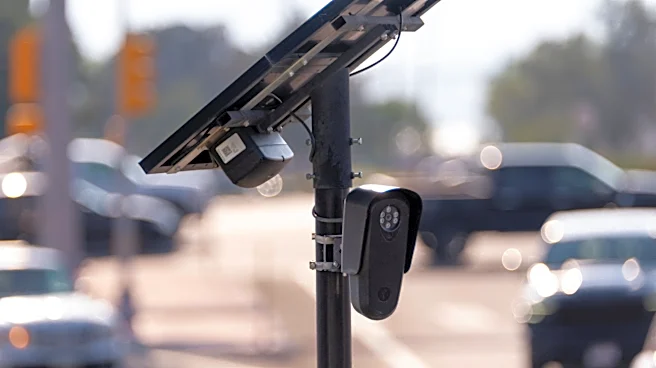
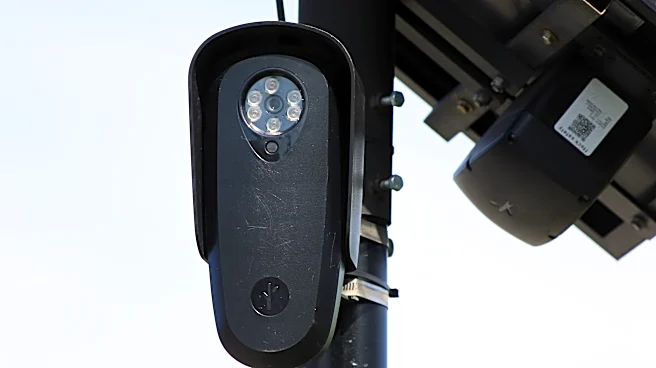
A new technology called SignalTrace, marketed by security company Leonardo to law enforcement, is capable of linking wireless device signals to license plate reader location data. This system works by detecting electronic signals from consumer devices
such as phones, smartwatches, and in-car electronics as vehicles pass automatic license plate readers (ALPRs). SignalTrace software identifies signals that repeatedly appear together, creating an 'electronic fingerprint' for that group of devices. This fingerprint is then correlated with license plate information and time-stamped locations. While Leonardo states the technology does not decrypt communications or access stored data, it can establish recurring electronic patterns associated with specific vehicles. This allows investigators to potentially start an investigation with a pattern of electronic signals and work backward to identify a vehicle or, with additional steps, its registered owner. The company emphasizes that SignalTrace data is an investigative lead, not proof of identity, and any personal identification requires separate investigative steps and adherence to applicable laws.
Why It's Important?
The deployment of SignalTrace technology has significant implications for digital privacy and civil liberties in the U.S. It expands the scope of surveillance beyond traditional license plate tracking by creating a persistent, linkable record of device movements and associations. This raises concerns about the anonymity of device signals, as repeated location patterns can become personally identifiable when combined with other information, such as vehicle registration records. The technology could allow law enforcement to infer relationships and movement patterns of individuals, even if their names are not directly collected by SignalTrace. This capability could be particularly impactful in public gatherings like protests, where proximity to certain devices could generate investigative leads without proving wrongdoing. The Supreme Court's recent rulings on location privacy, such as in Chatrie v. United States, indicate a growing legal scrutiny of how location data is collected and used, suggesting that SignalTrace's methods could face similar challenges regarding Fourth Amendment protections.
What's Next?
As SignalTrace is in its early stages of adoption with limited deployments, its future use and legal challenges will likely unfold over time. Law enforcement agencies considering or implementing this technology will need to establish clear policies regarding data retention, access, and sharing, especially concerning the additional investigative steps required to link electronic fingerprints to individuals. The ongoing legal debate surrounding location privacy, particularly in the wake of Supreme Court decisions, will continue to shape the boundaries of what constitutes a Fourth Amendment search in the context of such advanced surveillance technologies. Public awareness and advocacy groups are expected to scrutinize the expansion of these systems, potentially leading to legislative efforts to regulate their use or further court challenges. Individuals may also increasingly adopt measures to limit their digital exposure, such as turning off Bluetooth when not in use or reviewing app location permissions, though these may not fully mitigate tracking by sophisticated roadside sensors.
Beyond the Headlines
The introduction of SignalTrace highlights a deeper societal shift towards pervasive digital surveillance, where seemingly anonymous data points can be aggregated to create detailed profiles of individuals' movements and associations. This technology blurs the line between public and private spaces, as electronic signals broadcast from personal devices in public areas can now be systematically collected and analyzed. The ethical implications revolve around the potential for misuse, such as targeting individuals based on their presence at certain events or their associations, without concrete evidence of criminal activity. The concept of 'personally identifiable information' is evolving, moving beyond explicit identifiers like names to include patterns of behavior and proximity. This development underscores the need for robust legal frameworks and public discourse to balance legitimate public safety concerns with fundamental rights to privacy and freedom of association in an increasingly data-driven world. The potential for error and misinterpretation of data, as highlighted by the source, also raises concerns about wrongful accusations based on circumstantial digital evidence.