


What's Happening?
Congressman Nathaniel Moran recently convened a roundtable in Tyler, Texas, bringing together foster care groups and advocates to discuss the Fostering the Future Act. This proposed legislation aims to reform the federal John H. Chafee Foster Care Program
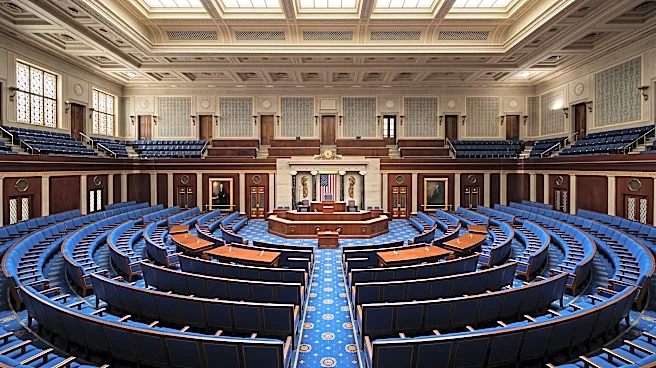
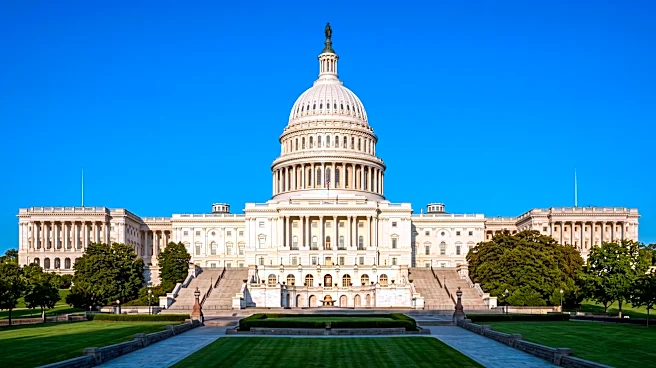
for Successful Transition to Adulthood, which currently serves foster youth aged 14 to 21. The bill, which passed the U.S. House in May and is now awaiting Senate consideration, seeks to increase education training vouchers from $5,000 annually to $12,000. Additionally, the Fostering the Future Act would broaden the permissible uses of these vouchers to include workforce training and apprenticeships. Moran emphasized that the best ideas for such programs often originate from local individuals directly involved in supporting these children. Local advocates, such as Christi Sowell from The Fostering Collective, highlighted that while increased funding is crucial, access and utilization remain significant challenges, noting that over $1 million in Texas went unused and returned to the federal government due to lack of access.
Why It's Important?
The Fostering the Future Act is significant because it addresses critical financial and transitional support for a vulnerable population: foster youth aging out of the system. By increasing education training vouchers, the bill aims to provide more substantial financial aid, which can cover essential expenses like books, meals, and transportation, thereby reducing obstacles to higher education and vocational training. Expanding the use of these vouchers to include workforce training and apprenticeships is vital for equipping young adults with practical skills needed for employment, fostering greater self-sufficiency. The current underutilization of funds, as highlighted by advocates, underscores a systemic issue where available resources do not effectively reach those in need. This legislation, if enacted, could significantly improve the life trajectories of thousands of foster youth by providing a more robust bridge to adulthood, rather than leaving them to face a 'cliff' of unsupported independence at age 18.
What's Next?
The Fostering the Future Act has successfully passed the U.S. House of Representatives and is now awaiting consideration in the Senate. The next step involves the Senate reviewing and potentially voting on the bill. If it passes the Senate, it would then proceed to the President for signature into law. Congressman Moran plans to take the insights and concerns gathered from the East Texas roundtable back to Washington, D.C., with the intention of exploring additional solutions for the next Congress, which is scheduled to begin on January 3, 2027. This suggests that even if the current bill faces hurdles, efforts to improve support for foster youth will continue, potentially leading to further legislative proposals or amendments in the future. Stakeholders, including foster care organizations and advocates, will likely continue to lobby senators for the bill's passage and work on improving access to and utilization of these critical funds.
Beyond the Headlines
Beyond the immediate financial implications, the Fostering the Future Act touches upon deeper societal responsibilities towards children in state care. The issue of unused funds returning to the federal government highlights a critical gap in program implementation and outreach, suggesting that financial aid alone is insufficient without robust support systems like mentorship, which helps young people navigate complex processes such as college applications, housing, and transportation. This bill implicitly calls for a re-evaluation of how federal programs are administered at the state and local levels to ensure that resources are not just allocated but effectively utilized. The emphasis on local input, as championed by Congressman Moran, underscores the importance of community-based solutions and direct engagement with those on the front lines of foster care. Ultimately, the success of such legislation hinges not only on its passage but also on the collaborative efforts of federal, state, and local entities to create comprehensive support networks that truly empower foster youth.