








What's Happening?
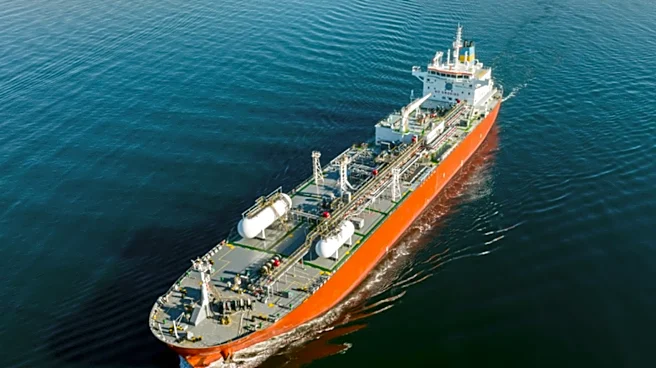
Chinese buyers have received the first U.S. LNG cargo in over a year but plan to resell it on another market to avoid a 25% tariff. The cargo, delivered to the Yangpu port, was offloaded into bonded storage without being imported into China. This decision
reflects China's strategy to capitalize on higher prices elsewhere while avoiding additional costs. Despite ongoing Middle East conflicts affecting LNG supply, China's imports have rebounded due to increased seasonal demand.
Why It's Important?
China's decision to resell the U.S. LNG cargo highlights the complexities of international trade amid geopolitical tensions and trade tariffs. This move underscores China's efforts to optimize its energy imports while navigating trade barriers. The situation also reflects the broader impact of geopolitical conflicts on global energy markets, as countries adjust their strategies to secure stable and cost-effective energy supplies.
What's Next?
China may continue to explore alternative LNG sources and trade strategies to mitigate the impact of tariffs and geopolitical tensions. The international community will likely monitor China's energy trade decisions, as they could influence global LNG market dynamics. Additionally, ongoing conflicts in the Middle East may prompt further adjustments in global energy trade patterns.