



What's Happening?
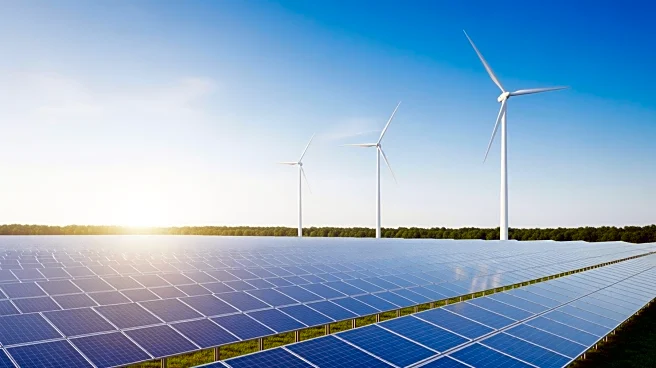
Mexico has awarded contracts for 20 renewable energy projects, totaling 3.3 gigawatts, as part of its efforts to increase its renewable energy capacity. The projects, which include 15 solar and 5 wind power initiatives, are set to be developed across
11 Mexican states. This initiative is part of a broader plan by Mexico's Energy Ministry to add 6,000 megawatts of renewable energy capacity. The awarded projects represent a significant investment of $4.75 billion by private companies. Additionally, 1,488 megawatts of energy storage projects have also been approved. The projects are expected to commence immediately, with most becoming operational by 2028. This move is part of Mexico's strategy to reduce its reliance on fossil fuels, which currently dominate its energy supply.
Why It's Important?
The awarding of these renewable energy projects is a critical step for Mexico in diversifying its energy sources and reducing its dependence on fossil fuels. This shift is significant not only for environmental reasons but also for economic stability, as renewable energy sources like solar and wind are becoming increasingly cost-effective. The projects are expected to create jobs and stimulate economic growth in the regions where they are developed. For the U.S., Mexico's transition to renewable energy could influence cross-border energy trade and collaboration, potentially leading to more sustainable energy practices in the region. The initiative also highlights the growing global trend towards renewable energy, which could impact international energy markets and policies.
What's Next?
Following this initial round of project awards, Mexico plans to hold another tender to reach its goal of 6,000 megawatts of additional renewable energy capacity. The success of these projects could lead to further investments in renewable energy infrastructure and technology. As the projects progress, there may be increased collaboration between Mexican and international companies, potentially leading to technological advancements and cost reductions in renewable energy. The Mexican government is also expected to continue supporting these efforts with additional infrastructure investments, which could further accelerate the country's transition to a more sustainable energy system.
Beyond the Headlines
The development of these renewable energy projects in Mexico could have broader implications for regional energy security and environmental policy. By reducing its reliance on fossil fuels, Mexico could improve its energy independence and resilience against global energy market fluctuations. Additionally, the focus on renewable energy aligns with global efforts to combat climate change, potentially positioning Mexico as a leader in sustainable energy development in Latin America. This shift could also influence cultural attitudes towards energy consumption and environmental responsibility, promoting a more sustainable lifestyle among the Mexican population.