
What's Happening?
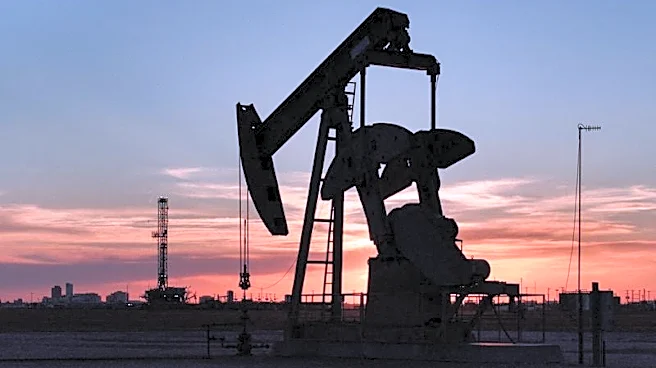
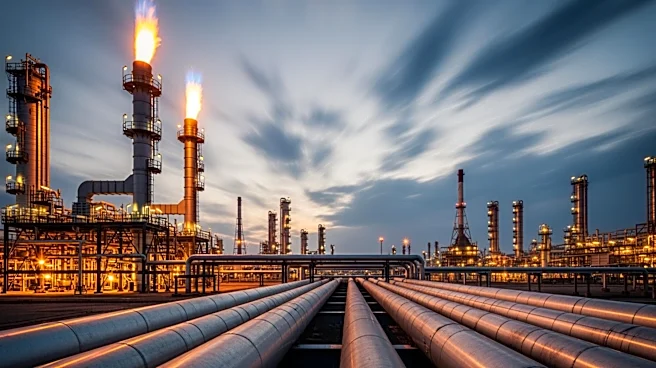
The Kremlin has announced a surge in global demand for Russian energy resources, particularly from Asian countries, despite recent Ukrainian strikes on its oil infrastructure. These attacks have significantly
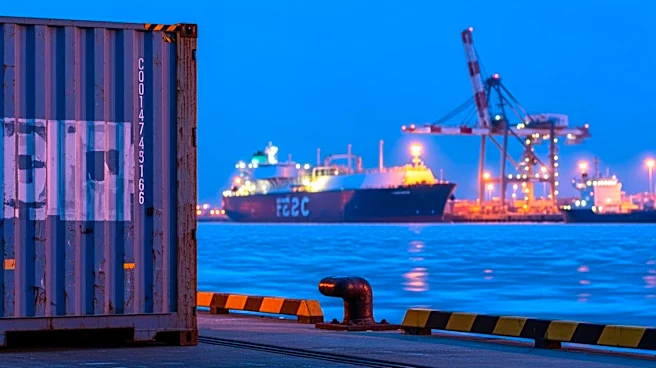
reduced Russia's export capability by 1 million barrels per day, or a fifth of its total capacity. The strikes come as European consumers attempt to reduce their reliance on Russian energy in response to Moscow's actions in Ukraine. In light of these developments, President Vladimir Putin has suggested redirecting energy supplies away from Europe. Meanwhile, Asian countries such as Vietnam, Thailand, and Indonesia are reportedly eager to purchase Russian oil, with prices for Russia's Urals blend trading at a premium to Brent crude. Additionally, Russia is shifting its liquefied natural gas (LNG) exports eastwards, with the Yamal LNG project recently sending its first cargo to China since November.
Why It's Important?
The increased demand for Russian energy from Asian markets highlights a significant shift in global energy dynamics, as traditional European markets seek to distance themselves from Russian supplies. This shift could have profound implications for global energy security and pricing, potentially leading to increased competition for resources in Asia. For Russia, the ability to find alternative markets is crucial in maintaining its economic stability amid Western sanctions and military conflicts. The redirection of energy exports also underscores the geopolitical complexities of the current global landscape, where energy resources are increasingly used as tools of influence and leverage. The situation presents both challenges and opportunities for U.S. energy policy, as it navigates its own energy independence goals and international alliances.
What's Next?
As the situation evolves, Russia may continue to strengthen its energy ties with Asian countries, potentially leading to long-term shifts in global energy trade patterns. European nations will likely accelerate their efforts to diversify energy sources, reducing dependency on Russian supplies. The U.S. and its allies may also explore new strategies to counterbalance Russia's influence in the global energy market. Additionally, the ongoing conflict in Ukraine and its impact on energy infrastructure will remain a critical factor in shaping future developments. Stakeholders, including governments and energy companies, will need to adapt to these changes, balancing economic interests with geopolitical considerations.