








What's Happening?
Australia has achieved its highest fuel stockpile since the onset of the US-Iran conflict, according to Prime Minister Anthony Albanese. The country now holds 6.5 billion liters of fuel across all types, surpassing the levels at the start of the crisis.
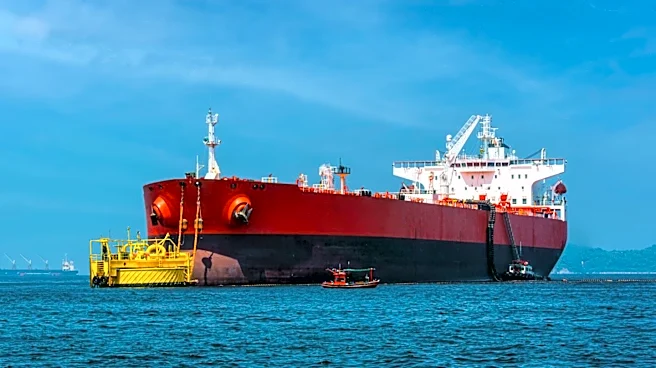
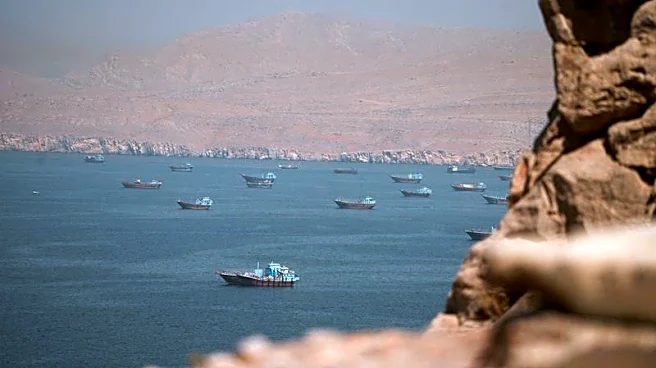
This development comes as 55 fuel tankers carrying 3.2 billion liters are scheduled to arrive in the next four weeks, boosting confidence in stable supply despite ongoing global market uncertainties. The conflict in the Middle East, particularly Iran's temporary closure of the Strait of Hormuz, has disrupted global energy markets, prompting Australia to activate a National Fuel Security Plan. Measures include reducing the fuel excise and expanding powers to secure additional shipments. Despite the improved stockpile, Albanese cautions that the situation remains unresolved, urging Australians to avoid unnecessary stockpiling.
Why It's Important?
The increase in Australia's fuel reserves is significant as it provides a buffer against potential supply disruptions caused by geopolitical tensions in the Middle East. The Strait of Hormuz is a critical chokepoint for global oil supply, and its closure by Iran earlier this year highlighted vulnerabilities in energy security. By bolstering its reserves, Australia aims to mitigate the impact of such disruptions on its economy and maintain fuel availability for consumers and industries. The government's proactive measures, including the National Fuel Security Plan, demonstrate a commitment to energy resilience. However, the situation underscores the ongoing volatility in global oil markets, with prices remaining sensitive to developments in the region. This volatility can affect fuel prices domestically, impacting consumers and businesses reliant on stable energy costs.
What's Next?
Australia's government will continue to monitor the situation closely, maintaining its level two fuel security setting. The temporary reduction in fuel excise is set to end soon, potentially affecting fuel prices. As global oil prices remain volatile, further government interventions may be necessary to stabilize the domestic market. The international community, including the United States, will likely continue diplomatic efforts to address tensions with Iran, which could influence future developments in energy markets. Australia's approach to fuel security may serve as a model for other nations facing similar geopolitical risks.