







What's Happening?
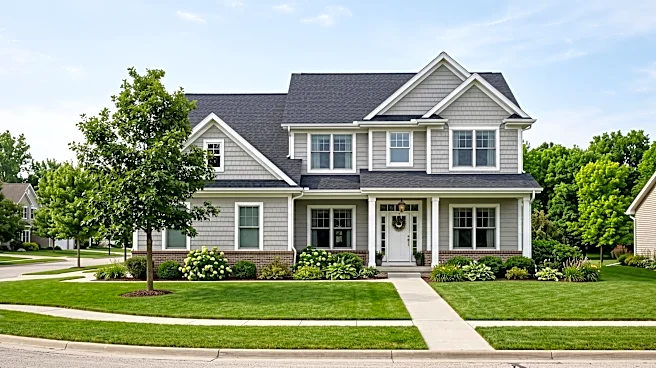
Residents in Brookfield, Illinois, particularly those living near the 3600 block of Sunnyside Avenue, are expressing significant concerns regarding the recent establishment of an Oxford House at 3626 Sunnyside Ave. This property, formerly an Airbnb rental,
is now a shared residence for individuals recovering from substance abuse. According to Fernando, a core member and de facto leader of the house, six people currently reside there. Neighbors like Rosa Ramos and Nick Boyko, who have children in the immediate vicinity, voiced apprehension about the unknown backgrounds of the residents and the lack of prior notification about the home's conversion. They question the safety and stability of having individuals battling addiction living in close proximity without more information or oversight. Martin Arteaga, president of Green Building Partners Inc. and owner of the property, defended the Oxford House mission, emphasizing its role in providing a supportive community for recovery. The Village of Brookfield was unaware of the Oxford House's arrival, as municipalities are generally not involved in tenant selection due to federal and state housing laws.
Why It's Important?
The situation in Brookfield highlights a common tension between community concerns and the rights of individuals in recovery. Residents' anxieties about safety and property values often clash with the need for supportive housing for those overcoming substance abuse. This scenario underscores the challenges municipalities face in balancing community sentiment with legal obligations under fair housing laws, which protect individuals in recovery as a protected class. The lack of a formal notification process for such residences can lead to distrust and fear within neighborhoods, even when the operations are legitimate and beneficial. For Oxford House, a non-profit with numerous locations, community acceptance is crucial for its mission of providing self-run, self-supported recovery homes. The incident also brings to light the complexities of local zoning and rental regulations, as the property owner had previously faced issues with operating an Airbnb, which is prohibited in Brookfield.
What's Next?
Brookfield village officials, including Village President Michael Garvey, have stated they will follow all federal, state, county, and local ordinances in addressing residents' concerns. This suggests that while direct intervention to remove the Oxford House may be limited due to housing laws, the village will monitor the situation for any violations related to noise, property maintenance, or criminal activity. Residents like Rosa Ramos are advocating for more regulation regarding property usage, indicating potential ongoing community pressure on local authorities. The property owner, Martin Arteaga, maintains his support for the Oxford House mission, suggesting the home will continue to operate. Future developments may involve increased dialogue between residents, the property owner, and Oxford House representatives to foster understanding and address specific concerns, or potential legal challenges if residents feel their rights or safety are being compromised.
Beyond the Headlines
This situation delves into broader societal issues surrounding addiction, recovery, and community integration. The fear expressed by residents often stems from stigma associated with substance abuse, highlighting a need for greater public education and empathy regarding recovery processes. The legal framework protecting individuals in recovery as a protected class under fair housing laws aims to prevent discrimination and facilitate their reintegration into society. However, the Brookfield case illustrates that legal protections alone do not always alleviate community apprehension. It raises questions about how communities can better prepare for and integrate supportive housing initiatives, perhaps through proactive communication strategies or community outreach programs that address misconceptions and build trust. The incident also touches on the evolving nature of residential properties, from short-term rentals like Airbnb to specialized housing, and the regulatory gaps that can emerge at the local level.