


What's Happening?
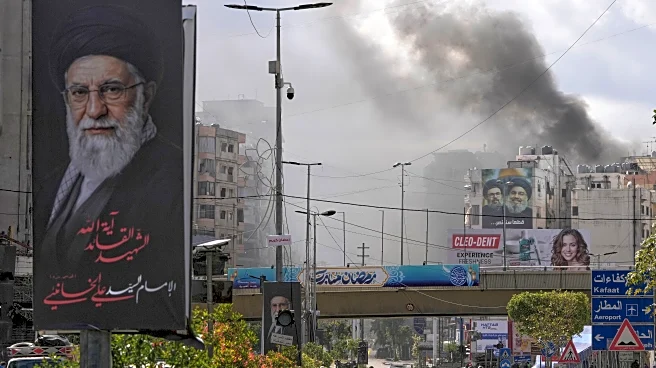
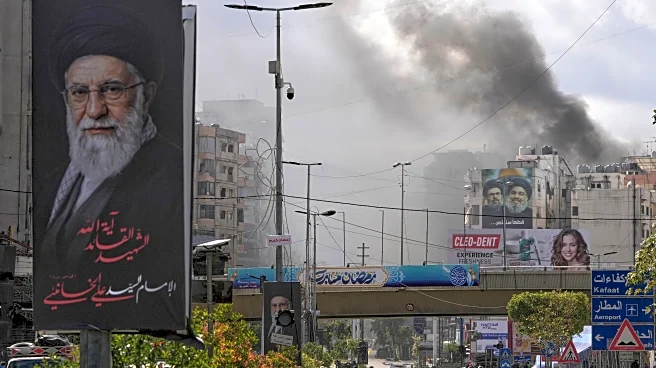
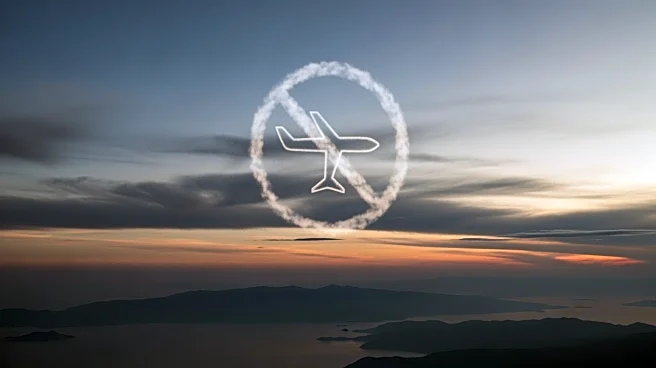
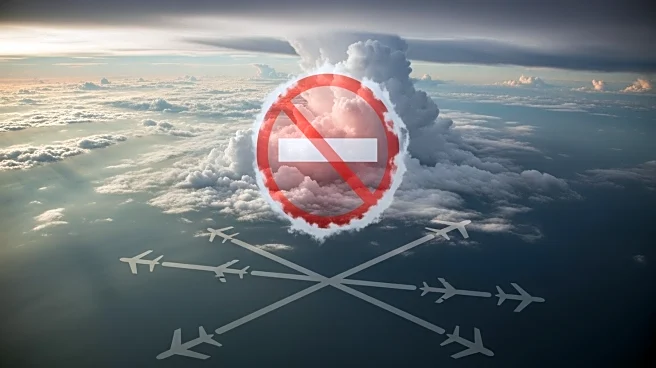
Spain has taken a significant step by closing its airspace to U.S. military planes involved in the ongoing conflict in Iran. This decision, announced by Spain's Defense Minister Margarita Robles, aligns with the country's earlier stance of prohibiting
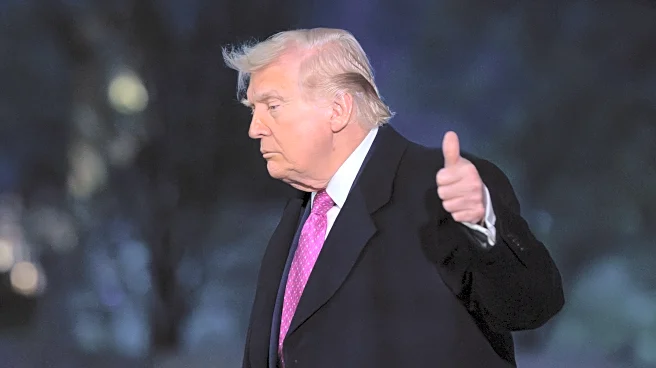
the use of jointly operated military bases for the conflict. Spanish Prime Minister Pedro Sánchez has been vocal in his criticism of the U.S. and Israel's military actions, labeling them as illegal and unjust. The Spanish government has consistently opposed the war, with Sánchez urging the involved parties to cease hostilities. This move has further strained relations between Spain and the U.S., with President Trump previously threatening to cut trade ties over Spain's defense spending decisions.
Why It's Important?
Spain's decision to block U.S. military access to its airspace is a rare move against a NATO ally, highlighting the deepening rift between the two nations over military and defense policies. This action could have significant implications for U.S. military operations in the region, potentially complicating logistics and strategic planning. The decision also underscores the broader European discontent with U.S. foreign policy, particularly in the Middle East. Spain's stance may influence other NATO members' policies, potentially leading to a reevaluation of alliances and military cooperation within the alliance. The economic implications are also notable, as trade relations between Spain and the U.S. could be affected by the ongoing diplomatic tensions.
What's Next?
The immediate consequence of Spain's decision is the need for the U.S. to seek alternative routes and bases for its military operations related to the Iran conflict. This could involve negotiations with other NATO members or non-member states willing to provide logistical support. Additionally, the diplomatic fallout may prompt further discussions within NATO about the alliance's role and the obligations of member states in conflicts involving major powers. Spain's firm stance may also encourage other European nations to voice their opposition to U.S. military strategies, potentially leading to a broader debate on NATO's future direction and cohesion.