







What's Happening?
New research indicates that even infrequent isometric exercise can help maintain blood pressure reductions, though more frequent sessions yield greater and more sustained benefits. A study involving 100 adults, with an average age of 37.4 years and systolic
blood pressure ranging from normal to high-normal, investigated the optimal frequency for maintaining these benefits. Participants initially underwent a four-week program of wall squats three times weekly. Following this, they were divided into groups continuing with three, two, or one weekly session, or stopping exercise entirely for another four weeks. The findings, published in BMJ Open Sport & Exercise Medicine, suggest that even a single weekly session can preserve improvements in blood pressure, offering a practical option for individuals with limited time. However, those who continued exercising three times a week experienced the most significant and sustained reductions in systolic blood pressure and other cardiovascular measures. Conversely, participants who ceased exercising saw their blood pressure benefits fade, returning to levels similar to the control group.
Why It's Important?
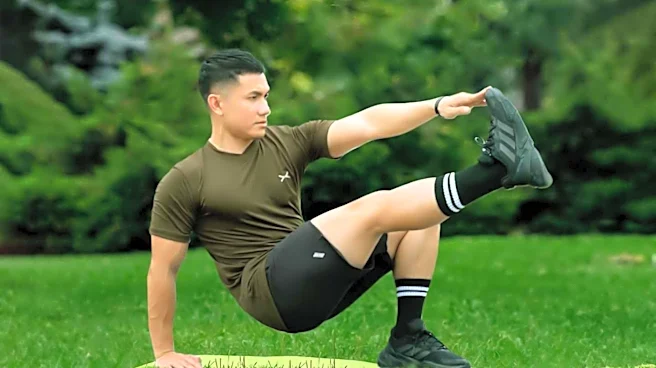
This research holds significant implications for public health and individual wellness in the U.S., particularly for adults at risk of hypertension. With a substantial portion of the U.S. population experiencing high-normal blood pressure, identifying accessible and effective exercise regimens is crucial. The study highlights that isometric exercises, such as wall squats, planks, and handgrip exercises, can be a powerful tool for blood pressure management without requiring specialized equipment or intense workouts. This accessibility could encourage broader adoption of physical activity among individuals who find traditional exercise programs daunting or time-consuming. For healthcare providers, these findings offer evidence-based recommendations for patients, suggesting that even minimal consistent effort can contribute to cardiovascular health. The distinction between maintaining benefits with infrequent exercise and achieving greater improvements with more frequent sessions allows for tailored advice, catering to varying levels of commitment and physical capability. This could lead to a reduction in the prevalence of hypertension and its associated health complications across the U.S.
What's Next?
Future research will likely focus on longer-term studies to determine if less frequent isometric training can sustain blood pressure benefits over several months or years, rather than just the four-week maintenance phase observed in this study. This will provide a more comprehensive understanding of the long-term efficacy and adherence rates for different exercise frequencies. Additionally, researchers may explore the impact of combining isometric exercises with other forms of physical activity to optimize cardiovascular health outcomes. Healthcare professionals and public health organizations may begin to integrate these findings into their guidelines for blood pressure management, potentially recommending isometric exercises as a viable and accessible option for individuals. Educational campaigns could be developed to inform the public about the benefits and proper execution of isometric exercises, further promoting their adoption. The development of user-friendly resources, such as mobile applications or online tutorials, could also facilitate wider participation in these simple yet effective workouts.
Beyond the Headlines
The study's emphasis on the effectiveness of isometric exercises, even with limited frequency, challenges the common perception that significant health improvements necessitate rigorous and time-consuming workouts. This paradigm shift could empower individuals who feel overwhelmed by conventional exercise recommendations, fostering a more inclusive approach to physical activity. The simplicity and low barrier to entry for isometric exercises—requiring no equipment and minimal space—make them particularly suitable for diverse populations, including older adults or those with mobility limitations. This could address health disparities by providing an equitable means of improving cardiovascular health. Furthermore, the research underscores the importance of consistency, however minimal, in maintaining health benefits, highlighting that stopping exercise leads to a reversal of improvements. This reinforces the broader message that sustainable lifestyle changes, rather than sporadic intense efforts, are key to long-term well-being. The findings also open avenues for integrating isometric exercises into workplace wellness programs or community health initiatives, offering practical solutions for promoting a healthier U.S. population.