






What's Happening?
David Morens, a former senior adviser to Dr. Anthony Fauci at the National Institute of Allergy and Infectious Diseases (NIAID), has pleaded guilty to a federal conspiracy charge. The charge stems from a scheme to conceal government records related to coronavirus
research grants from investigators probing the origin of the COVID-19 pandemic. Morens admitted to conspiring with unnamed co-conspirators between April 2020 and June 2023 to obstruct the lawful functions of public health agencies in complying with the Freedom of Information Act (FOIA) and Federal Records Act (FRA). This included destroying and concealing records concerning the termination and restoration of a National Institutes of Health (NIH) grant for research on bat coronaviruses. Morens used his personal Gmail account to conduct government business, specifically to hide communications with co-conspirators from FOIA requests and public scrutiny. He also admitted to receiving illegal gratuities, such as wine, from one of the alleged co-conspirators, believed to be Dr. Peter Daszak of EcoHealth Alliance.
Why It's Important?
This guilty plea is significant as it sheds light on alleged efforts to obstruct transparency and accountability regarding COVID-19 origins and related research funding. The concealment of government records and the use of personal email accounts to circumvent public information laws undermine public trust in federal agencies and their officials. The involvement of a senior adviser to Dr. Fauci, a prominent figure during the pandemic, raises questions about the extent of knowledge and involvement within the NIH and NIAID regarding these activities. The case also highlights the ongoing scrutiny of EcoHealth Alliance, which received substantial NIH grants, some of which funded gain-of-function research on bat coronaviruses at the Wuhan Institute of Virology. The FBI Director Kash Patel's statement that the investigation remains ongoing suggests potential further developments and implications for other individuals or organizations involved.
What's Next?
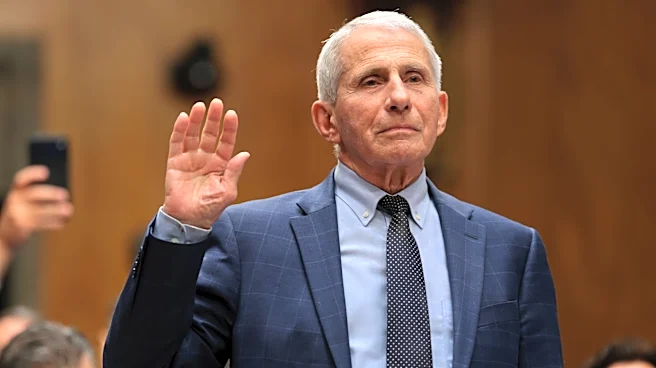
David Morens faces up to five years in prison following his guilty plea. His sentencing will determine the legal consequences of his actions. The FBI's ongoing investigation, as stated by Director Kash Patel, indicates that more information or charges could emerge, potentially involving other individuals or entities connected to the concealment scheme and the research grants. This development could also intensify calls for greater transparency and oversight within federal research institutions and their grant recipients. Furthermore, the plea comes shortly after Dr. Fauci was referred to the Justice Department for potential prosecution by the Senate Homeland Security Committee, though Dr. Fauci has denied knowledge of Morens's actions. The release of Dr. Fauci's diary entries, which suggest private discussions with Morens about the bat coronavirus research grants, may lead to further examination of his role and knowledge.
Beyond the Headlines
The case of David Morens extends beyond a simple legal transgression, touching upon critical issues of government transparency, scientific integrity, and public accountability. The deliberate concealment of records and the use of private channels to conduct official business erode the public's right to information and can foster distrust in scientific and governmental institutions, especially concerning matters of public health. The alleged efforts to influence the narrative surrounding COVID-19's origins and the funding of controversial research raise ethical questions about the influence of personal relationships and financial incentives in scientific endeavors. This incident could prompt a re-evaluation of existing regulations and enforcement mechanisms for federal record-keeping and FOIA compliance, potentially leading to stricter guidelines and greater oversight to prevent similar occurrences in the future. It also underscores the complex interplay between scientific research, public policy, and national security.